
Menopause Nutritionist Sunshine Coast: Nutrition Support for Bloating, Weight Changes and Gut Health
Looking for a menopause nutritionist on the Sunshine Coast?
Learn how personalised, non-diet nutrition may support bloating, gut health and midlife weight changes.
If you are eating much the same way you always have, but your body suddenly feels harder to read, you are not alone. Many women in perimenopause and menopause notice more bloating, digestive changes, fatigue, body-shape changes, stronger cravings or a sense that the old food rules no longer fit.
Gutsy Solution is based on the Sunshine Coast and offers Australia-wide telehealth for women who want evidence-informed, non-diet nutrition support.
The goal is not to control hormones with food. It is to understand what your body may need now, then build a practical way of eating that supports digestion, energy, satiety and confidence with food.
General information disclaimer
This article is general information only and is not a substitute for personalised medical advice. If symptoms are new, severe, persistent or worrying, speak with your GP or qualified health professional.
Why nutrition can feel different in perimenopause and menopause
Perimenopause often begins in the 40s, and menopause in Australia usually occurs between 45 and 55, with an average age around 51.
During this transition, oestrogen and progesterone fluctuate, then remain lower after menopause. Australian health information lists a wide range of possible symptoms, including sleep changes, mood changes, hot flushes, joint or muscle aches and changes around the abdomen.
Nutrition does not replace medical care and it does not make menopause disappear.
It can, however, play a useful role in the everyday systems that influence how you feel: meal rhythm, protein, fibre, hydration, alcohol intake, bowel regularity, blood sugar steadiness, muscle maintenance and food variety.
This is where personalised menopause nutrition support can be more helpful than another generic meal plan.
Bloating, gut health and perimenopause
Bloating, constipation, looser stools and food sensitivity can have many causes. Some are simple and food-related, while others need medical review.
A nutrition consultation can help you look for patterns in fibre intake, fluid, meal spacing, plant variety, stress, sleep and individual trigger foods without cutting out half your diet unnecessarily.
The gut microbiome may also shift across the menopause transition. Research in this area is still developing, so it is best framed as an association rather than a promise. A varied, fibre-rich eating pattern may support bowel regularity and gut microbial diversity, but bloating is individual. If fibre has been low, increase it gradually and drink enough fluid, because a sudden jump can increase gas for some women.
Menopause weight changes without another diet
Menopause does not automatically cause weight gain, but ageing, lower oestrogen, sleep disruption, activity changes, stress, muscle mass and health history can all influence body composition.
That’s why the Gutsy Solution approach avoids shame-based weight messaging, calorie-counting pressure and before-and-after thinking.
A more useful starting point is to review the basics that support strength and satiety:
🌿enough protein across meals,
🌿fibre-rich carbohydrates,
🌿colourful plants,
🌿satisfying fats,
🌿regular meals and
🌿 movement that uses your muscles.
This can support metabolic health and body confidence without making food smaller, stricter or more stressful.
What does a menopause nutritionist do?
A menopause nutritionist helps you connect the dots between symptoms, food patterns, digestion, lifestyle, preferences and goals. This may include reviewing breakfast and meal rhythm, protein distribution, bowel habits, caffeine and alcohol, practical meal options, supplement questions and the foods you already enjoy.
A nutritionist does not diagnose menopause, prescribe medication or replace your GP. The value is in translating general nutrition science into a personalised plan that fits your body, your appetite, your household and your week.
How Gutsy Solution supports Sunshine Coast women and telehealth clients
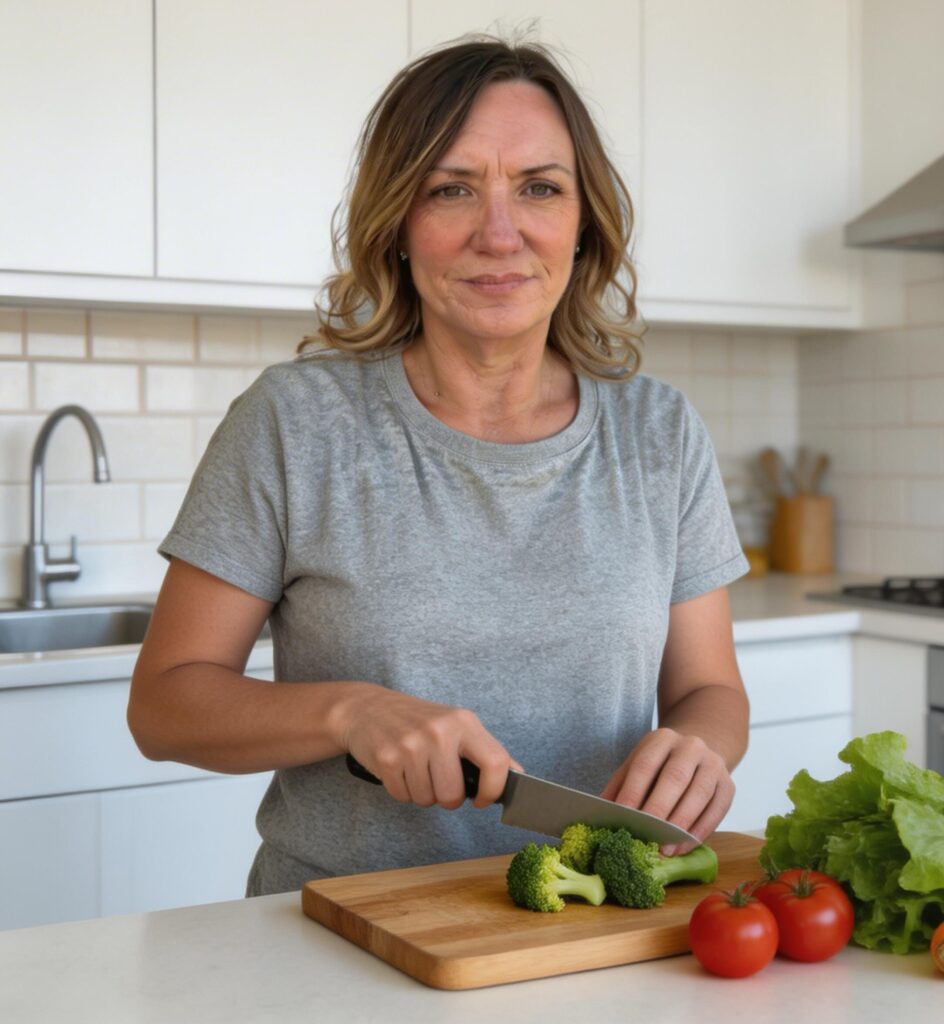
Sally Bloomfield is a degree-qualified nutritionist based on the Sunshine Coast, with telehealth support available Australia-wide.
Her work is evidence-based, warm and non-diet, with a particular focus on gut health, food overwhelm and midlife changes.
Practical first steps before your appointment
For one week, jot down meals, snacks, bowel changes, bloating, energy, sleep, stress and anything that feels confusing. This is not a food diary for judgement. It is pattern-finding. Also note what you have already tried, what worked briefly, what felt unrealistic and what you do not want to do again.
Practical examples might include adding a protein-rich breakfast instead of grazing all morning, pairing a fibre-rich lunch with enough fluid, or choosing two repeatable dinners that feel nourishing without being complicated.
When to speak with your GP
Speak with your GP if symptoms are severe, new, persistent, worrying or affecting daily life.
Seek medical advice for heavy or unusual bleeding, unexplained weight change, ongoing bowel changes, pain, significant fatigue or mental health concerns.
Nutrition support works best alongside appropriate medical care, not instead of it.
Frequently asked questions
What does a menopause nutritionist do?
She helps you understand how food patterns, digestion, symptoms, lifestyle and goals may fit together during perimenopause or menopause.
Can nutrition help with menopause bloating?
Nutrition can play a role in supporting digestion and bowel regularity, which may help some women feel less uncomfortable, but persistent symptoms need review.
Is this a meal plan or recipe plan?
Recipes can be useful, but personalised support looks beyond recipes to your symptoms, health history, preferences and real life.