
What Are the 10 Early Signs of Perimenopause?
Understanding the early signs of perimenopause can empower you to respond with confidence, not confusion.
Perimenopause often sneaks in — not with alarms, but with subtle shifts that can feel confusing or overwhelming. If you’ve ever asked yourself, “Is this normal, or is something changing in my body?” — you’re not imagining it. From disrupted sleep to emotional swings, these symptoms often signal the start of hormonal changes that mark the transition to menopause.
What Is Perimenopause?
Perimenopause is the hormonal transition before menopause, where your oestrogen levels begin to fluctuate. This shift causes your menstrual cycle to become irregular and marks the beginning of significant hormone-related changes in your body. While this transition is natural, the symptoms can feel anything but predictable.
When Does Perimenopause Usually Start?
Although it varies, most women notice early signs of perimenopause in their 40s. However, for some, symptoms may begin as early as their mid-30s. This stage can last anywhere from 4 to 10 years.
What Causes Perimenopause Symptoms?
Oestrogen Fluctuations
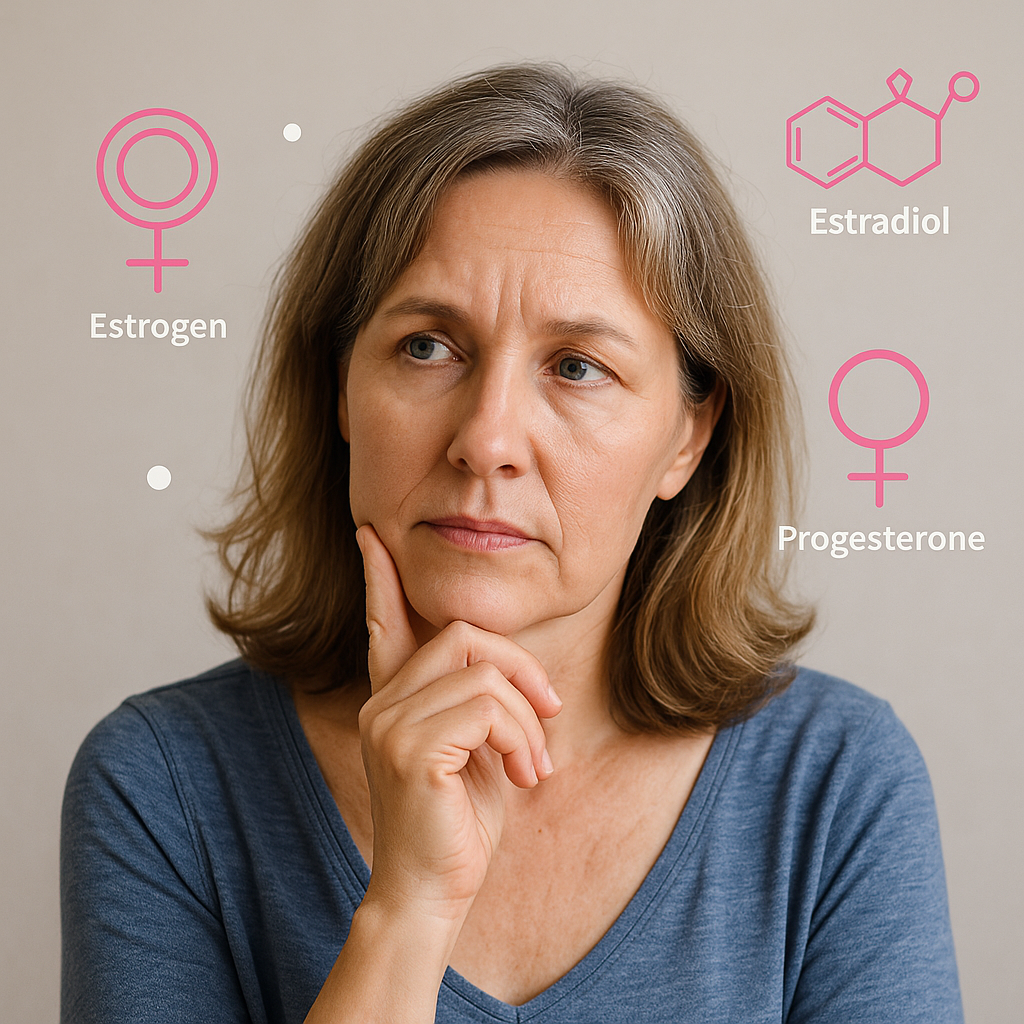
Oestrogen, the hormone that once ran like clockwork, now rides a rollercoaster. These highs and lows can affect everything from your brain and bones to your mood, skin, and libido.
Progesterone and FSH
Progesterone dips too, throwing off your sleep and causing irregular period.
FSH (follicle-stimulating hormone) ramps up in an attempt to kickstart less responsive ovaries, often crating physical chaos.
10 Common Early Signs of Perimenopause
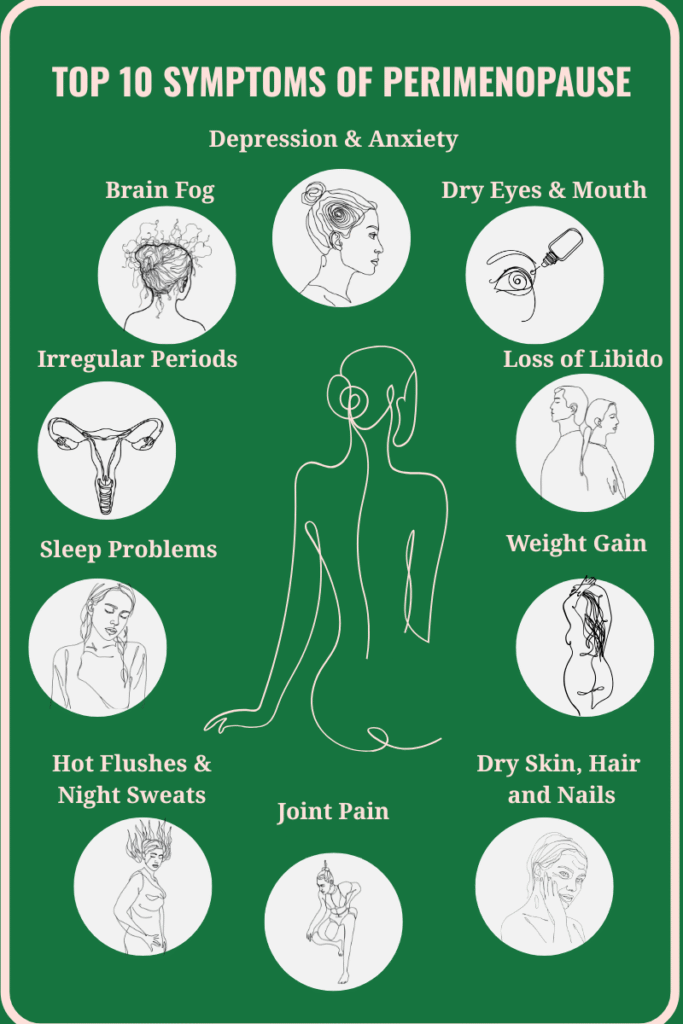
Irregular Periods: Your flow might be heavier, lighter, late, early—or vanish altogether.
Hot Flashes & Night Sweats: Sudden heat waves, often followed by chills or sweaty wake-ups.
Mood Swings & Anxiety: Tearful one minute, snappy the next. Your emotional state isn’t imagining things.
Sleep Disruptions: Can’t fall asleep? Waking up at 3am? That’s likely low progesterone at play.
Vaginal Dryness: Less estrogen = thinner, drier tissues. This can make intimacy uncomfortable.
Low Libido: Sex drive may dip due to hormone shifts and physical changes.
Hair Thinning & Dry Skin: Thanks to estrogen changes, your skin and hair may suddenly act up.
Brain Fog: Memory lapses and fuzzy thinking are very real.
Breast Tenderness: Feels like PMS—but it’s not going away.
Weight Gain: Your metabolism slows, especially around the belly.
How to Know If It’s Perimenopause or Something Else
Not all symptoms mean perimenopause. Here are other conditions that mimic it:
Thyroid Disorders
Symptoms like fatigue, mood shifts, and weight gain overlap with thyroid issues. A blood test can rule this out.
Chronic Stress or Depression
Mental health conditions or burnout can look a lot like perimenopause. Get evaluated if you’re unsure.
When to See a Doctor
Seek medical advice if you have:
- Extremely heavy or painful periods
- Long gaps between cycles
- Severe mood changes or depression
Tests may include hormone panels (FSH, oestrogen), iron levels, thyroid function, or even a pelvic exam.
Medical & Natural Ways to Manage Perimenopause Symptoms
Hormone Replacement Therapy (HRT)
For some, HRT is a game changer—it’s the gold standard and you should discuss the pros and cons with your GP.
Nutrition
Focus on whole foods rich in calcium, vitamin D, magnesium, and omega-3s.
Lifestyle Changes
Exercise, reduce alcohol and caffeine, and practice stress management.
Mental & Emotional Health During Perimenopause
- Mood Management: Use mindfulness, cognitive behaviour therapy, or support groups to ride the emotional waves.
- Better Sleep: Create a calm nighttime routine—no screens, soft lighting, and a regular bedtime.
FAQs About Early Perimenopause
- Can Perimenopause Start in Your 30s? Yes, it’s possible.
- Is Weight Gain Normal? Yes—hormonal shifts make it easier to gain, especially around the belly.
- How Long Does It Last? Typically 4 to 10 years.
- Can I Still Get Pregnant? Yes—until you’ve had 12 months without a period, it’s still possible.
- Is It Just PMS? If symptoms feel stronger, last longer, or show up randomly—it’s probably perimenopause.
- Do I Need a Blood Test? Not always, but hormone tests can clarify your status, especially if symptoms are severe.
Final Thoughts: You’re Not Broken—You’re Evolving
Perimenopause is part of your body’s natural rhythm. But that doesn’t mean you have to suffer silently. The more you know, the better prepared you are to support your body with strength, smarts, and a bit of sass.
You’re not alone. And you’re not crazy. You’re just gutsy—and that’s exactly what this journey needs.