
Menopause bloating can feel incredibly frustrating, especially if you already eat “healthy” foods. You might wake up feeling fine, then feel tight, gassy or uncomfortable by the afternoon.
You may start wondering whether gluten, dairy, legumes, fruit, bread, coffee or even salad is the problem.
Before you cut out more foods, it can help to step back and look for patterns.
At Gutsy Solution, Sally Bloomfield supports women on the Sunshine Coast and by telehealth across Australia with personalised, non-diet nutrition for gut health, bloating and food overwhelm in perimenopause and menopause. If you want the science behind why digestion changes at this stage of life, start with Why Your Gut Changes in Perimenopause. This article is the practical companion: what to notice, in what order, before you remove anything.
Disclaimer: This article is general information only and is not a substitute for personalised medical advice. If bloating is new, severe, persistent, painful, or associated with unexplained weight change, bleeding, vomiting or changed bowel habits, speak with your GP or qualified health professional.
Why bloating can become more noticeable in menopause
The menopause transition is different for every woman. Australian Government information lists weight gain around the stomach and bloating among common physical symptoms, and emphasises that midlife symptoms can overlap with other health issues, so medical review matters when symptoms are worrying.
Bloating does not always have one obvious cause. It can be influenced by bowel regularity, fibre changes, hydration, meal timing, stress, sleep, food volume, gut sensitivity, medications, alcohol, carbonated drinks or an underlying condition.
That is why a broad “avoid these foods” list often creates more confusion. It may remove foods that are useful, enjoyable or nourishing without identifying the real issue.
Food Clues
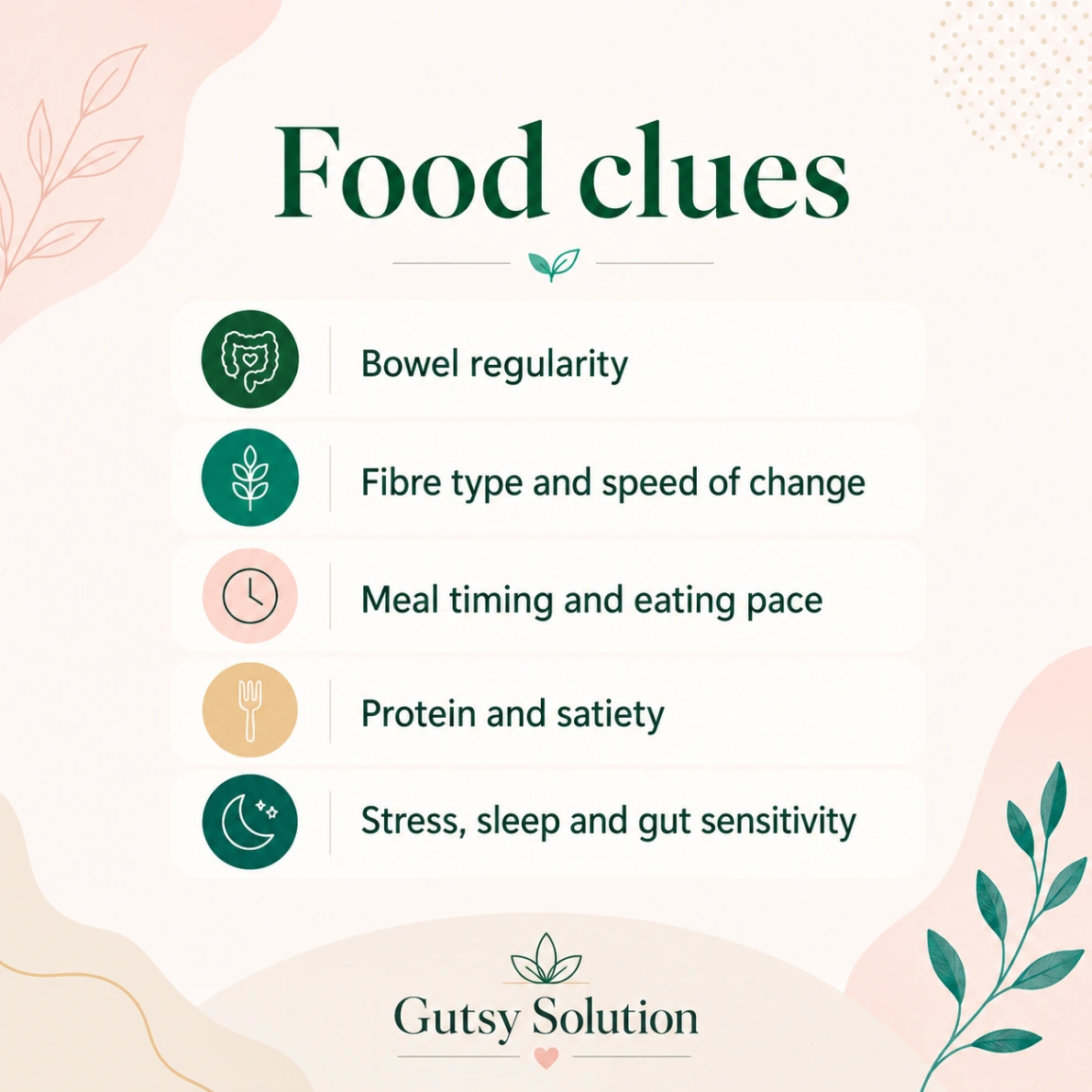
Food clue 1: bowel regularity
Constipation is one of the first patterns to check. If stool is moving slowly, gas and abdominal pressure can build. Some women do not realise they are constipated because they still open their bowels most days, but stools may be hard, incomplete or difficult to pass.
Gentle questions to ask
- How often do I open my bowels?
- Do I strain or feel incomplete?
- Are stools hard, loose or variable?
- Did bloating improve after a bowel motion?
- Has my bowel pattern changed recently?
Nutrition support may include reviewing fibre, fluid, meal rhythm and movement. The Nutrient Reference Values for Australia and New Zealand list 25 g per day as the adequate intake for dietary fibre for adult women.
The key is to increase fibre gradually. Suddenly adding large salads, bran cereals, fibre powders and legumes may make bloating worse for some people.
Food clue 2: fibre type and speed of change
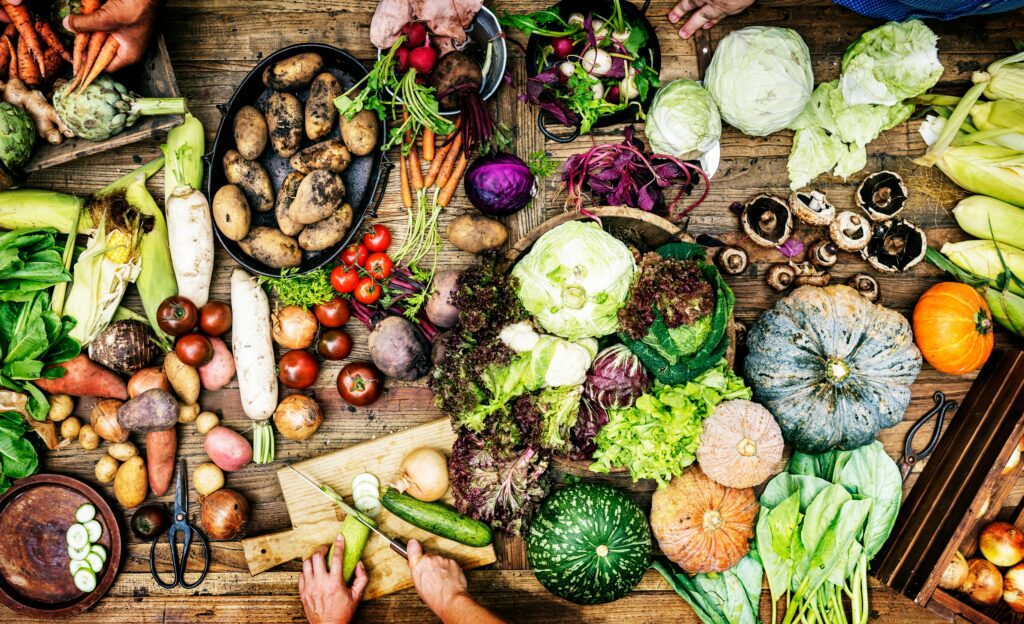
Fibre is not one single thing. Different fibres behave differently in the gut, and tolerance varies.
For example, oats, chia seeds, lentils, apples, wheat, onion, garlic, vegetables and resistant starch can all affect gut comfort in different ways.
Practical examples
If you recently started eating:
- a large raw salad every day,
- high-fibre wraps,
- legumes at multiple meals,
- protein bars with added fibres,
- lots of smoothies,
- or large amounts of cruciferous vegetables,
then the issue may be the speed, volume or type of fibre rather than “healthy food being bad for you”.
A more personalised approach may adjust portion, preparation, cooking method and timing before removing whole food groups.
Food clue 3: meal timing and eating pace
Bloating can be worse when meals are irregular.
Skipping breakfast, grazing all day, eating a large dinner after a long gap, or eating quickly while stressed can all influence digestion. Try noticing whether bloating changes when you:
- eat a steadier breakfast,
- sit down for lunch instead of picking,
- chew more slowly,
- reduce constant grazing,
- or avoid arriving at dinner ravenous.
This does not mean you need a rigid schedule. It simply means your gut may appreciate rhythm.
Food clue 4: protein and satiety
Low protein meals can leave you hungry, snacky and more likely to over-rely on quick foods later. Higher food volume late in the day can then contribute to bloating.
A practical starting point is to include a protein source at each main meal.
Examples include eggs, fish, chicken, tofu, tempeh, Greek yoghurt, lentils, beans, cottage cheese or lean meat.
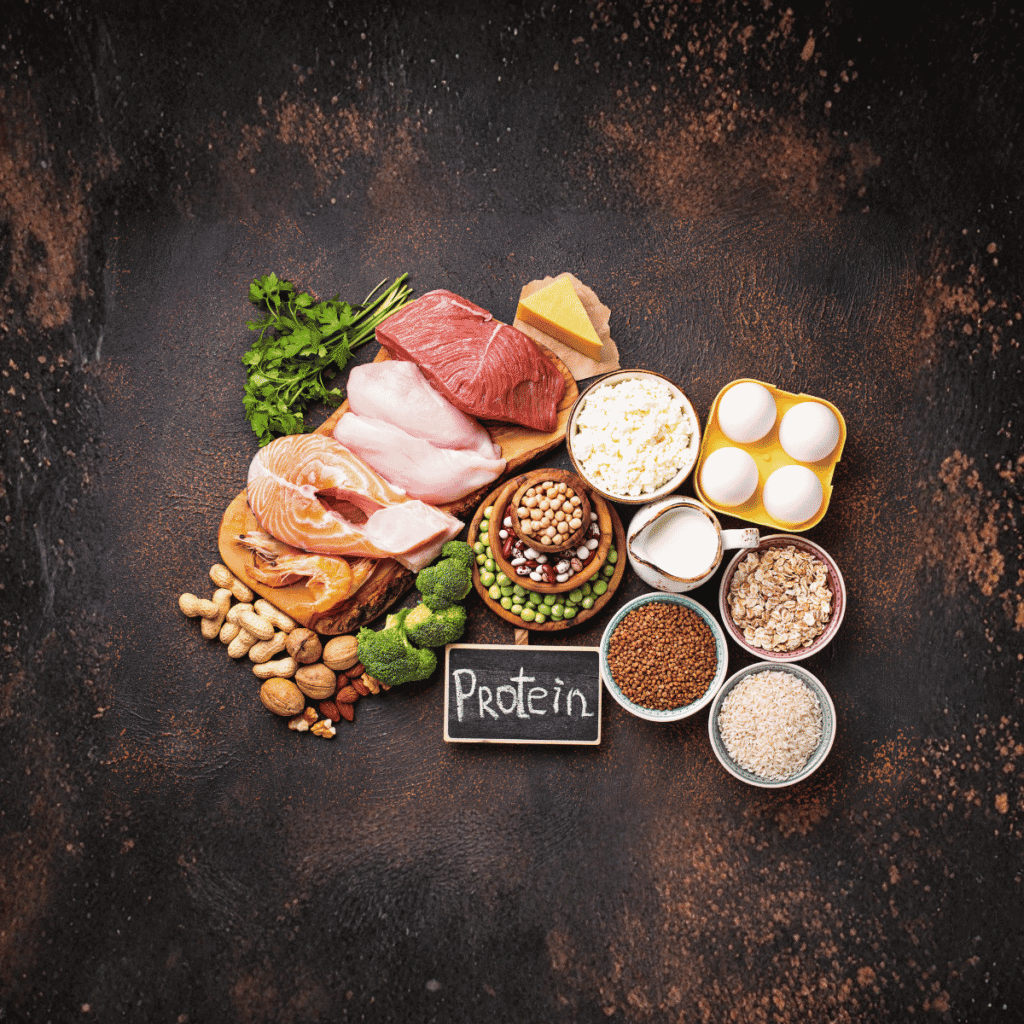
Pair that protein with cooked vegetables, grains or starchy vegetables you tolerate well, and enough flavour to feel satisfied.
Food clue 5: stress, sleep and gut sensitivity
Gut comfort is not only about food. Stress and poor sleep can influence appetite, cravings, bowel habits and gut sensitivity. Menopausal symptoms can be influenced by general health and wellbeing, diet, physical activity, smoking, stress and personal context.
This matters because many women blame themselves for not being “disciplined enough” with food, when their nervous system, sleep and symptom load are also part of the picture.
What not to do when bloating feels overwhelming
It is understandable to want fast relief, but try to avoid:
- cutting out multiple food groups at once without support,
- starting detoxes or cleanses,
- using laxatives or supplements without medical advice,
- assuming all bloating is menopause,
- or ignoring new bowel changes.
Restriction can make food fear worse. It can also reduce fibre diversity and make it harder to identify your true triggers.
How personalised support can help
A nutritionist can help you map what is happening across food, symptoms, bowel habits, stress, sleep and lifestyle. At Gutsy Solution, this may include looking at your usual meals, fibre tolerance, hydration, timing, protein intake, plant variety and what you have already tried.
The aim is not to hand you a long “do not eat” list. It is to build a realistic strategy that may support gut comfort while protecting nourishment, confidence and enjoyment. If you want one session with a written plan, Gutsy Clarity, a personalised menopause nutrition review, is designed exactly for this.
When to speak with your GP
Speak with your GP if bloating is severe, persistent, new, worsening, painful or associated with unexplained weight change, blood in the stool, vomiting, fever, heavy bleeding, ongoing diarrhoea or constipation, significant fatigue or symptoms affecting daily life.
Nutrition support should complement appropriate medical care, not replace it.
Get support for bloating and food overwhelm
If you are on the Sunshine Coast or prefer telehealth anywhere in Australia, book a free 20-minute chat to explore personalised, non-restrictive nutrition support for menopause bloating and gut health.

If you are on the Sunshine Coast or prefer telehealth anywhere in Australia, book a free 20-minute chat to explore personalised, non-restrictive nutrition support for menopause bloating and gut health.
Not ready to talk yet?
Start with the Free 3-Day Gutsy Reset.