Menopause and Weight Gain: The Science and the Risks Part 2

This entry is part 2 of 2 in the series Menopause & Weight

In our previous post, we explored the science behind menopause-related weight gain and the health risks associated with it. Now, it’s time to turn knowledge into action. The encouraging news is that weight gain during menopause isn’t inevitable — there are scientifically proven strategies that can help prevent or reduce it.

In this article, we’ll uncover the most effective, evidence-based approaches, from nutrition and exercise to hormone therapy and lifestyle adjustments, so you can work with your body during this transition rather than against it.

Lifestyle Factors That Influence Weight Gain

Hormones set the stage, but lifestyle can either worsen or improve the picture.

Sleep Disruptions and Weight

Menopause often brings insomnia or sleep apnea. Poor sleep increases ghrelin and lowers leptin, driving appetite and late-night snacking. Studies show that just 21 days of sleep restriction increases belly fat by nearly 10%.

sleeping pill and digital clock on bedside table
Photo by cottonbro studio on Pexels.com

Stress, Cortisol, and Emotional Eating

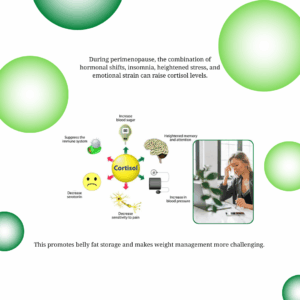
High stress raises cortisol, which promotes central fat storage. Combined with emotional eating, this accelerates belly fat gain.
Healthy balanced plate with salmon, fresh vegetables, mozzarella, feta, and mango arranged in a colourful, nutrient-rich meal.

Impact of Medications

Some medications prescribed during midlife — like SSRIs, SNRIs, and beta blockers — can contribute to weight gain. Discuss alternatives with your doctor if this is a concern.

What Actually Works: Evidence-Based Solutions

The good news? Menopausal weight gain isn’t inevitable. Here’s what research shows really works.

Resistance Training – The Non-Negotiable Foundation

Woman in a gym preparing to lift a barbell, wearing athletic clothing and sneakers, in a black-and-white photo emphasizing strength and focus.
Photo by Jake “Sulli” Swoyer: https://www.pexels.com/photo/woman-lifting-a-barbell-4373472/
  • Reduces visceral and subcutaneous fat
  • Increases muscle mass and strength
  • Improves blood sugar and lowers inflammation

A 15-week resistance training program showed significant reductions in belly fat.1-2 Just 2–3 sessions per week make a measurable difference.

Protein Intake – Why Women Need More
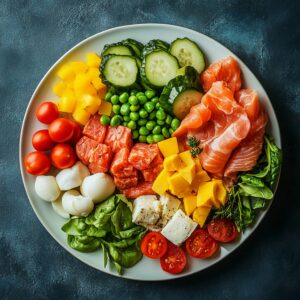
Healthy balanced plate with salmon, fresh vegetables, mozzarella, feta, and mango arranged in a colourful, nutrient-rich meal.
irina-del-Mha5nyvZ2G4-unsplash

Women in menopause need 1.2–1.6 g of protein per kg of body weight daily. Protein supports muscle maintenance, increases satiety, and improves energy.3-4

Aim for 30g per meal spread throughout the day.

Plant-Forward, High-Fiber Diets
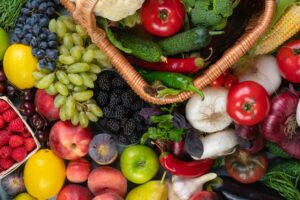
Colourful assortment of fresh fruits and vegetables, including tomatoes, grapes, peppers, berries, and greens spilling from a wicker basket.
david-foodphototasty-FGrO63vUbaA-unsplash

Fiber supports gut health, reduces inflammation, and improves insulin sensitivity. Women should aim for 35–40g of fiber daily from fruits, vegetables, legumes, nuts, and seeds.5-6

Exercise Timing – Morning vs. Evening Workouts

Studies show that women who exercise before breakfast burn more belly fat and lower blood pressure compared to evening exercisers.

The Role of Yoga, Squats, and Lunges

Woman performing a lunge exercise outdoors, wearing fitness clothing and sneakers, demonstrating strength and balance.
jonathan-borba-L5VjCZp0ZSY-unsplash
  • Yoga reduces cortisol and belly fat by lowering stress hormones.
  • Squats and lunges engage large muscle groups, boosting calorie burn and fat loss.

Hormone Replacement Therapy and Weight Management

Does HRT Cause Weight Gain?

Contrary to popular belief, hormone replacement therapy (HRT) does not cause weight gain.

Estrogel 80-gram pump dispenser and box showing dosage information and labeling for prescription hormone replacement therapy containing estradiol.
Estrogel_Australia

Benefits of HRT for Metabolic Health

  • Reduces visceral fat accumulation
  • Improves insulin sensitivity
  • Enhances sleep, mood, and energy—making weight management easier

HRT isn’t for everyone, but it can be life-changing when appropriate.

What Doesn’t Work – Common Mistakes to Avoid

  • Extreme calorie restriction → causes muscle loss and slows metabolism
  • Cardio-only exercise → doesn’t address muscle decline
  • Generic diet programs → ignore hormonal realities
  • Shame-based approaches → raises cortisol and worsen belly fat

A Comprehensive Lifestyle Approach That Works

The most successful strategies combine multiple elements:

  • Resistance training 2–3 times weekly
  • Adequate protein at each meal
  • Plant-based, high-fiber eating
  • Prioritizing 7–8 hours of quality sleep
  • Stress management (yoga, meditation, massage)
  • Supportive community or accountability partner

Consistency beats perfection. Meaningful changes typically take 12–16 weeks.

The Mindset Shift: It’s Not Your Fault

One of the most empowering shifts is realizing that menopausal weight gain isn’t a failure of willpower. It’s a predictable physiological response.

Once you understand this, you can stop blaming yourself and start working with your body instead of fighting against it.

Emerging Research and What We Still Need to Learn

Researchers are now studying:

  • Combination therapies (diet + exercise + HRT)
  • Long-term resistance training protocols
  • The link between menopause and other chronic conditions

While much progress has been made, more menopause-specific research is still needed.

Practical Tips to Start Today

  1. Lift weights at least twice a week
  2. Eat 30g of protein per meal
  3. Walk 30–45 minutes daily
  4. Add yoga or meditation twice a week
  5. Aim for 7–8 hours of sleep
  6. Reduce added sugars and processed foods

FAQs on Menopause and Weight Gain

Q1: Is weight gain during menopause inevitable?
Not inevitable, but very common due to hormonal and metabolic changes. Lifestyle interventions can help prevent or reduce it.

Q2: How much weight do women usually gain during menopause?
On average, women gain 10kg (22 lbs) during the transition.

Q3: What type of exercise is best for menopause belly?
A combination of resistance training, cardio, and yoga works best.

Q4: Does HRT help with weight loss?
HRT doesn’t directly cause weight loss but can help manage sleep, mood, and energy, making weight control easier.

Q5: Can diet alone reduce menopause belly?
Diet is crucial, but without resistance training, muscle loss continues, making long-term results harder.

Q6: How long does it take to see results?
Most women notice changes in 12–16 weeks of consistent effort.

Conclusion: Work With Your Body, Not Against It

Menopausal weight gain can feel discouraging, but it’s not your fault—it’s biology. The good news is that by understanding the science and applying proven strategies, you can manage your weight, reduce health risks, and feel stronger than ever.

The key is consistency, not perfection. With the right combination of resistance training, protein-rich nutrition, sleep, stress management, and possibly hormone therapy, you can take charge of your health during menopause and beyond.

👉 Remember, your body isn’t broken—it’s simply following a new script. And with the right tools, you can write a healthier chapter.

References

  • 1. Nilsson, S., Hammar, M., West, J., Borga, M., Thorell, S., & Spetz Holm, A. C. (2023). Resistance training decreased abdominal adiposity in postmenopausal women. Maturitas176, 107794. https://doi.org/10.1016/j.maturitas.2023.107794
  • 2. Khalafi, M., Habibi Maleki, A., Sakhaei, M. H., Rosenkranz, S. K., Pourvaghar, M. J., Ehsanifar, M., Bayat, H., Korivi, M., & Liu, Y. (2023). The effects of exercise training on body composition in postmenopausal women: a systematic review and meta-analysis. Frontiers in endocrinology14, 1183765. https://doi.org/10.3389/fendo.2023.1183765
  • 3. Silva Ramirez, V. V., Oelmann, A., Holtje, J., Shannahan, L., Shelton, G., Nguyen, N., Sims, S. T., Greece, J. A., Pyott, L., Lyon, G., Ormsbee, M. J., & Campbell, B. I. (2025). Survey study of changes in total caloric and protein intake across the menopause transition: a preliminary analysis. Journal of the International Society of Sports Nutrition22(Suppl 2), 2550192. https://doi.org/10.1080/15502783.2025.2550192
  • 4. Paul, C., Leser, S., & Oesser, S. (2019). Significant Amounts of Functional Collagen Peptides Can Be Incorporated in the Diet While Maintaining Indispensable Amino Acid Balance. Nutrients11(5), 1079. https://doi.org/10.3390/nu11051079
  • 5. Mantzoros C. S. (1999). The role of leptin in human obesity and disease: a review of current evidence. Annals of internal medicine130(8), 671–680. https://doi.org/10.7326/0003-4819-130-8-199904200-00014
  • 6. Yu, K., Ke, M. Y., Li, W. H., Zhang, S. Q., & Fang, X. C. (2014). The impact of soluble dietary fibre on gastric emptying, postprandial blood glucose and insulin in patients with type 2 diabetes. Asia Pacific journal of clinical nutrition23(2), 210–218. https://doi.org/10.6133/apjcn.2014.23.2.01
Menopause and Weight Gain: The Science and the Risks Part 1
This entry is part 1 of 2 in the series Menopause & Weight

Why Menopause Changes Your Body

If you’re in your 40s or 50s and suddenly notice your waistline expanding despite eating and exercising the same way as before, you’re not alone. Many women describe thier menopausal weight gain as if a balloon inflated in their midsection overnight. Clothes no longer fit the same, energy levels dip, and frustration grows.

Here’s the important truth: nothing is wrong with you. These changes aren’t a sign of weakness or failure – they’re the predictable result of hormonal changes during perimenopause and menopause. It has nothing to do with your willpower or letting yourself go or being lazy.

Weight gain in midlife isn’t just about the number on the scale. It’s about shifts in body composition, metabolism, and fat distribution. Understanding these changes is key to managing them — and the good news is, there are proven strategies to help.

What Exactly Is “Menopause Belly”?

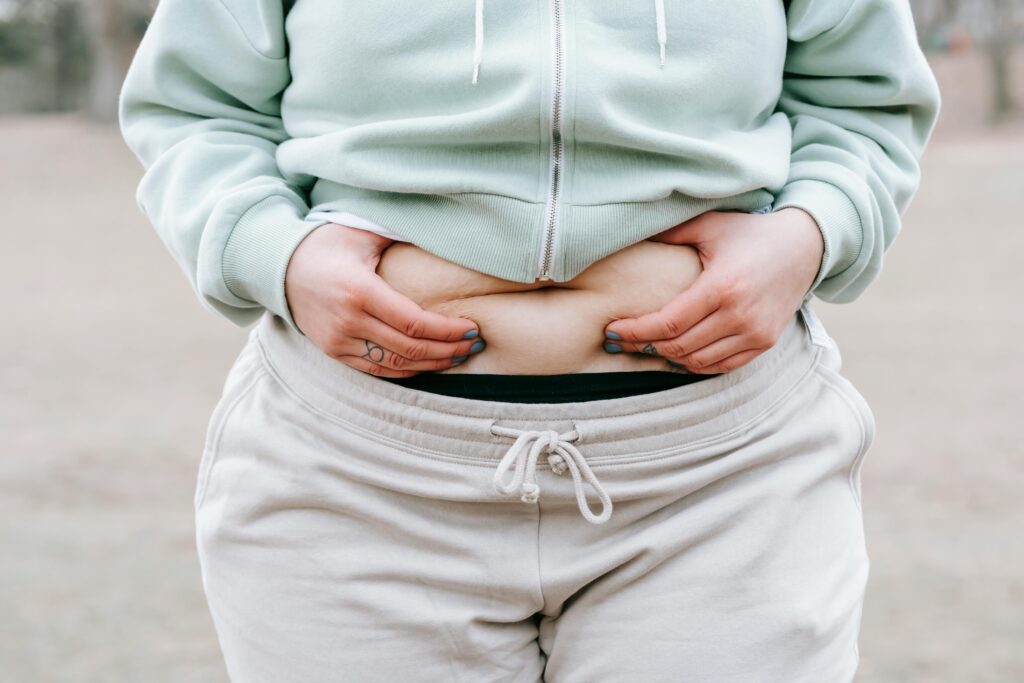
woman in a tracksuit holding her belly fat to signify menopasue weight gain
Photo by Andres Ayrton: https://www.pexels.com/photo/woman-showing-her-belly-6551492/

When people talk about “meno-belly” or “menopot,” they’re describing a specific pattern of fat gain that occurs during the menopausal transition.

Unlike general weight gain, this belly fat often develops even when a woman’s overall weight doesn’t change. In fact, many women report that while their arms and legs get thinner, their waistline grows larger. They also often say that they are not doing anythig different, their diet and excerise hasnt changed at all but their weight keeps increasing and they can’t lose the weight the way they used to in their 20’s or 30’s.

Subcutaneous vs. Visceral Fat

Subcutaneous fat sits directly under the skin. It’s soft and pinchable — the “muffin top” that spills over waistbands. While annoying, it’s less concerning for long-term health.

Visceral fat, the weight gain we often see on our bellies in menopause, on the other hand, is far more dangerous. It lies deep inside the abdomen, wrapping around vital organs like the liver, intestines, and stomach. Unlike subcutaneous fat, visceral fat is metabolically active, releasing inflammatory substances that disrupt health.

Why Visceral Fat Is More Dangerous

Visceral fat isn’t just a cosmetic issue — it’s a metabolic one. It increases the risk of:

  • Cardiovascular disease
  • Type 2 diabetes
  • High blood pressure
  • Insulin resistance
  • Certain cancers

That’s why many healthcare providers measure waist circumference or waist to hi ratio as an indicator of disease risk. A growing belly during menopause isn’t just about how you look — it’s about what’s happening inside your body.

The Science Behind Menopausal Weight Gain

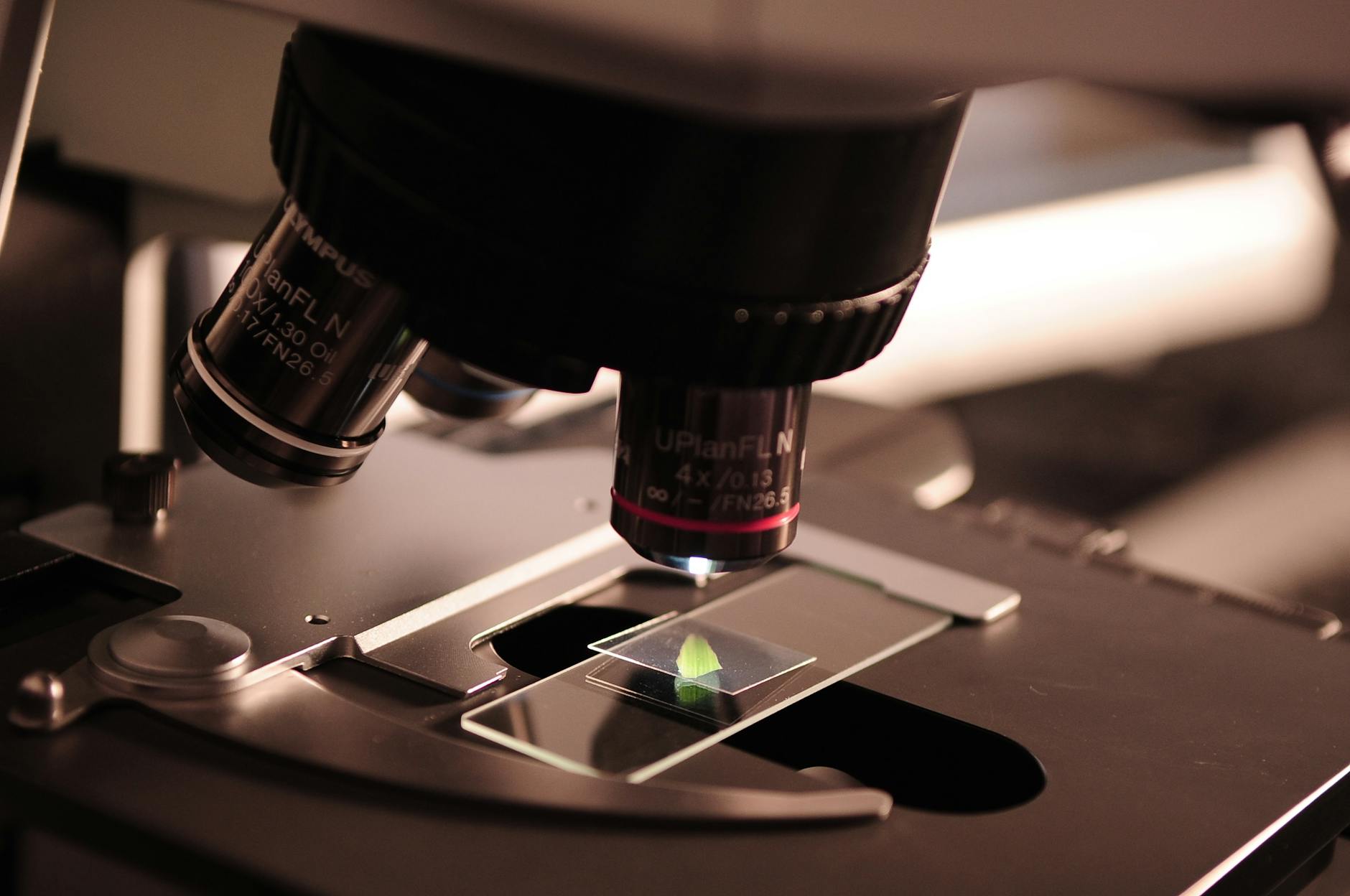
close up of microscope
Photo by Pixabay on Pexels.com

Menopausal weight gain is driven by a complex interplay of hormones, metabolism, and ageing. Let’s break it down.

Hormonal Changes Driving Fat Redistribution

Oestrogen Decline

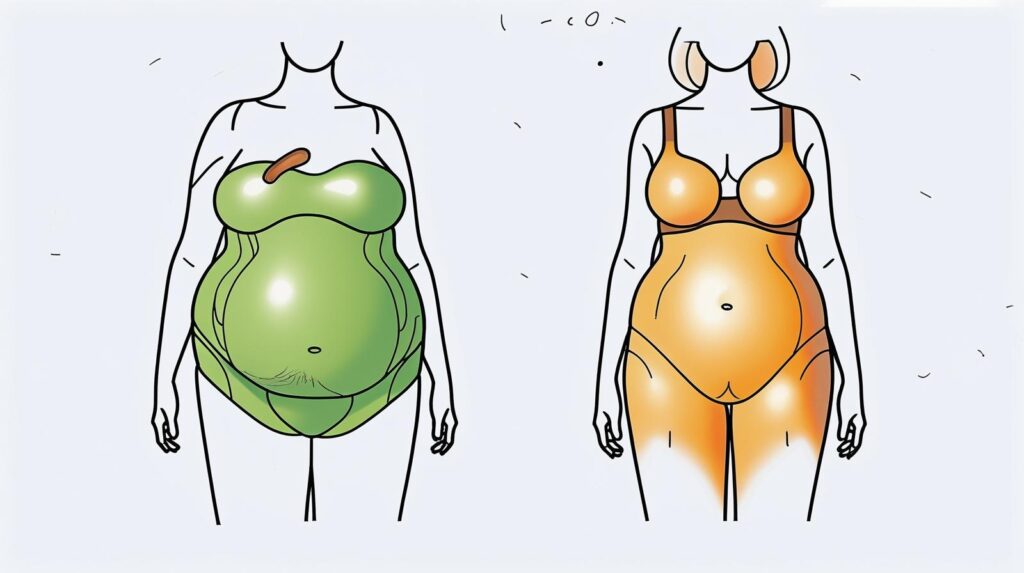
Oestrogen regulates metabolism and fat storage. In reproductive years, it directs fat toward the hips and thighs (the “pear shape”).

But as estrogen declines, fat storage shifts to the abdomen, resulting in an “apple shape.”

Increased Availability of Testosterone

With lower oestrogen, testosterone becomes more dominant. This hormonal imbalance encourages abdominal fat accumulation, making belly fat almost inevitable for many women.

Changes in Hunger Hormones

Leptin is a hormone your body releases that helps it maintain your normal weight on a long-term basis. The level of leptin in your blood is directly related to how much body fat you have. Leptin resistance causes you to feel hungry and eat more even though your body has enough fat stores.

Ghrelin is a hormone your stomach produces and releases. It signals your brain when your stomach is empty and it’s time to eat. Ghrelin levels increase between mealtimes and decrease when your stomach is full. People who have obesity often have low ghrelin levels, while people who significantly restrict their calorie intake have high ghrelin levels.

Leptin levels decrease, reducing natural appetite suppression.

Ghrelin levels rise, especially with poor sleep, increasing hunger and cravings.

This hormonal shift explains why many women feel hungrier and have a harder time controlling food intake during menopause.

Metabolic Slowdown

Research1 shows that women who transition to menopause experience:

  • A 32% reduction in fat burning (oxidation)
  • A 1.5x greater decline in energy expenditure during sleep

This means your metabolism is slower, even when you’re resting.

Muscle Mass Decline and Its Role in Weight Gain

Muscle burns more calories at rest than fat. Unfortunately, menopause accelerates muscle loss:

  • After 50, women lose 5–10% of muscle mass every decade.2
  • The SWAN study found that lean muscle declines while fat accumulation doubles during menopause.3

Less muscle means fewer calories burned, which makes weight gain easier and weight loss harder.

Inflammation and Fat Tissue Dysfunction

Menopause isn’t just about fat gain — wjhit’s about changes in the fat tissue itself. Research shows that postmenopausal women experience:

  • Larger fat cells (adipocyte hypertrophy)
  • Increased inflammation
  • Fibrosis (scar tissue in fat cells)

This makes fat tissue metabolically unhealthy, driving insulin resistance and worsening belly fat.4

Numbers That Tell the Story

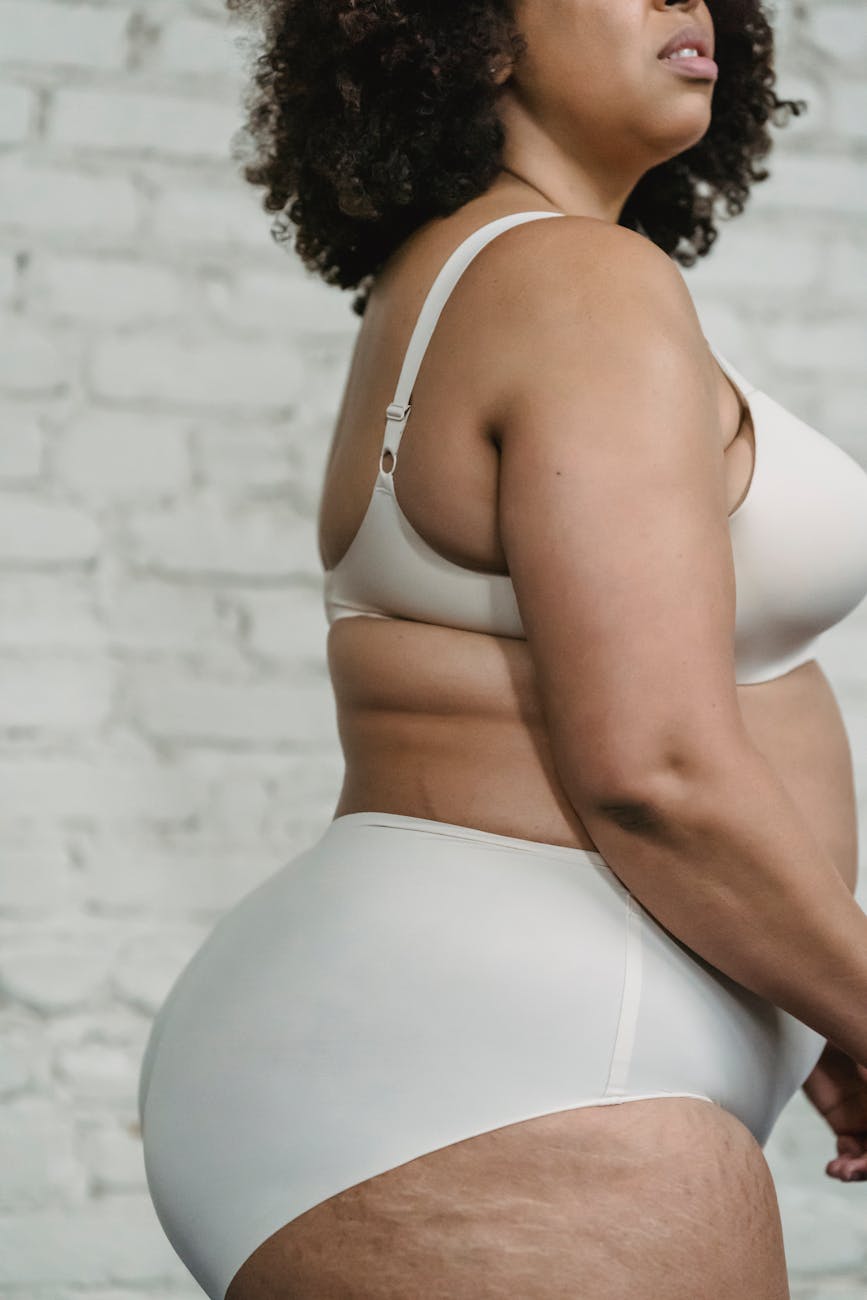
crop plump black woman in underwear

  • 65.5% of women aged 40–59 have abdominal obesity
  • 73.8% of women aged 60+ have abdominal obesity
  • Average weight gain during menopause transition: 10kg (22 lbs)
  • Visceral fat doubles from 5–8% to 10–15% of body weight

These numbers highlight why menopausal weight gain isn’t an isolated experience — it’s nearly universal.

Health Risks of Menopausal Weight Gain

Belly fat during menopause isn’t just frustrating — it’s dangerous.

Heart Disease and High Blood Pressure

Visceral fat releases inflammatory cytokines that damage blood vessels and raise blood pressure. This significantly increases the risk of heart disease, the leading cause of death in women.

Type 2 Diabetes and Insulin Resistance

Belly fat promotes insulin resistance, making it harder for the body to regulate blood sugar, increasing the risk of type 2 diabetes.

Cancer, Dementia, and Metabolic Syndrome

Research links abdominal obesity to higher risks of breast cancer, colorectal cancer, and even dementia. It also contributes to metabolic syndrome — a cluster of conditions including high blood pressure, high blood sugar, and abnormal cholesterol.4-7

Whilst understanding the science behind menopausal weigh gain and its associated health risks is the first step, the good news is ther aree proven, practical strategies to help prevent or reduce it.

In our next post, we’ll dive into the evidence-based solutions – covering nutrition, exercise, hormone therapy, and lifestyle interventions – that can make a real difference during the menopause transition.

Stay tuned for Part 2, where we’ll focus on what actually works to support your health, energy and confidence.

References

  • 1. Lovejoy, J. C., Champagne, C. M., de Jonge, L., Xie, H., & Smith, S. R. (2008). Increased visceral fat and decreased energy expenditure during the menopausal transition. International journal of obesity (2005)32(6), 949–958. https://doi.org/10.1038/ijo.2008.25
  • 2. Mitchell, W. K., Williams, J., Atherton, P., Larvin, M., Lund, J., & Narici, M. (2012). Sarcopenia, dynapenia, and the impact of advancing age on human skeletal muscle size and strength; a quantitative review. Frontiers in physiology3, 260. https://doi.org/10.3389/fphys.2012.00260
  • 3. Harlow, S. D., Burnett-Bowie, S. M., Greendale, G. A., Avis, N. E., Reeves, A. N., Richards, T. R., & Lewis, T. T. (2022). Disparities in Reproductive Aging and Midlife Health between Black and White women: The Study of Women’s Health Across the Nation (SWAN). Women’s midlife health8(1), 3. https://doi.org/10.1186/s40695-022-00073-y
  • 4. Abildgaard, J., Ploug, T., Al-Saoudi, E., Wagner, T., Thomsen, C., Ewertsen, C., Bzorek, M., Pedersen, B. K., Pedersen, A. T., & Lindegaard, B. (2021). Changes in abdominal subcutaneous adipose tissue phenotype following menopause is associated with increased visceral fat mass. Scientific reports11(1), 14750. https://doi.org/10.1038/s41598-021-94189-2
  • 5. UK Biobank 2023
  • 6. Lizcano, F., & Guzmán, G. (2014). Estrogen Deficiency and the Origin of Obesity during Menopause. BioMed research international2014, 757461. https://doi.org/10.1155/2014/757461
  • 7. Davis, S. R., Castelo-Branco, C., Chedraui, P., Lumsden, M. A., Nappi, R. E., Shah, D., Villaseca, P., & Writing Group of the International Menopause Society for World Menopause Day 2012 (2012). Understanding weight gain at menopause. Climacteric : the journal of the International Menopause Society15(5), 419–429. https://doi.org/10.3109/13697137.2012.707385

Chia Pudding with Berries

This entry is part 1 of 2 in the series Menopause Nutrition

Chia Pudding

A creamy, nutrient packed chia pudding layered with lush blueberries and sprinkled with crunchy pepitas. This simple make ahead breakfast or snack is rich in fibre, plant based protein, and Omega-3's – perfect for keeping you satisfied and energised.
Prep Time 5 minutes
Cook Time 0 minutes
Servings: 1 person
Course: Breakfast
Calories: 277

Ingredients
  

  • 3 tbsp Chia Seeds
  • 150 ml Unsweetened Almond milk
  • 0.5 tsp Cinnamon
  • 75 g Blueberries
  • 1 tbsp Pepitas

Method
 

  1. Mix chia, milk, and cinnamon in a glass or small bowl
  2. Refrigerate overnight.
  3. Top with berries and seeds before serving.

Notes

NUTRITION INFORMATION
Servings per package: 1
Serving size: 276 g
Average
Quantity per
Serving Average
Quantity per
100 g
Energy 1160 kJ 422 kJ
Protein 12.1 g 4.4 g
Fat, total 12.1 g 4.4 g
– saturated 1.7 g 0.6 g
Carbohydrate 17.2 g 6.2 g
– sugars 8.4 g 3 g
Sodium 73 mg 27 mg
overhead shot of poke bowls on a blue surface

Why You Need a 3-Day Gut Reset Now

This entry is part 1 of 1 in the series Menopause & Digestion

Why a gut Reset Matters for Your Health

Your gut isn’t just about digestion – it’s the control centre for your overall health. From supporting your immune system to regulating mood and energy, the gut microbiome plays a powerful role. Over time, stress, processed foods, and poor sleep can throw off this delicate balance.

Your gut houses trillions of microbes that influence not only digestion but immunity, metabolism, and even mood regulation. When the gut is overwhelmed by processed foods, stress, lack of sleep or poor hydration, it can lead to bloating, fatigue, and inflammation.

A short term gut reset helps give your digestive system a break while nourishing it with whole, fibre rich foods that restore microbial balance.

This simple practice can reduce digestive discomfort, improve nutrient absorption, and boost overall energy – helping you feel lighter, more focused, and more resilient in your day to day life.

What Makes the Gutsy Solution 3-Day Gut Reset Unique

Unlike restrictive diets, this reset is about nourishment, not deprivation. You’ll enjoy:

  • Whole, minimally processed foods
  • Fiber-rich vegetables to feed healthy gut bacteria
  • Healthy fats and lean proteins for sustained energy
  • Hydration and gentle movement to support detox and balance

Focus on Nourishment, Not Restriction

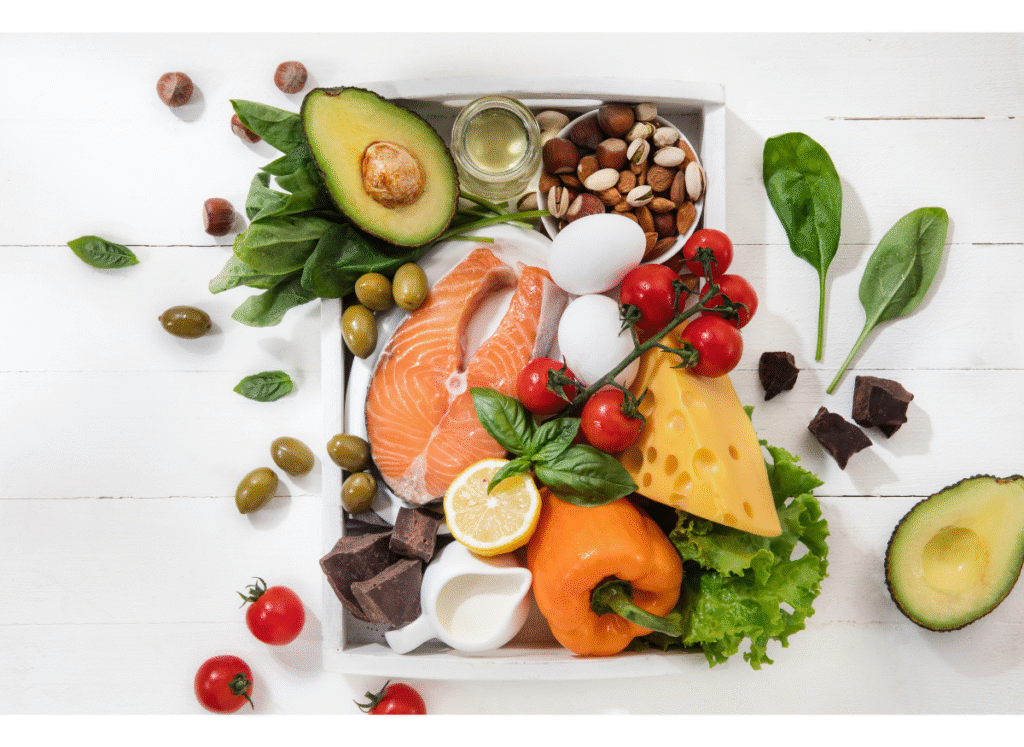
Balanced healthy organic ingredients. Nutrition for the heart and blood vessels. Meat, fish and vegetables.

The 3-day Gutsy reset is designed to give your digestion a break while fueling your body with nutrients.

Instead of cutting out entire food groups or obsessing over calories, the emphasis is placed on adding foods that truly nourish and fuel your body.

Key Principles: Whole Foods, Fibre, Protein, and Hydration

The key foods we focus on are fibre rich veggies, lean proteins, healthy fats and hydrating fluids. These foods not only support a healthier gut and therefore a healthier you, but they make eating more enjoyable and sustainable.

When you nourish your body with nutrient dense meals, you naturally feel satisfied, energised, and balanced without the stress or guilt that often comes with restrictive dieting, creating a positive relationship with food that honours your body’s needs.

The Complete 3-Day Gut Reset Meal Plan

Let’s dive into the simple yet delicious meals that make up this gut-healing reset.

Day 1 – Gentle Start for Digestion

Breakfast: Chia Pudding with blueberries and pepitas
Lunch: Quinoa & Roasted Vegetable Salad with chicken or salmon
Snack: Apple with almonds
Dinner: Baked Salmon with garlic spinach and roasted sweet potato

Day 2 – Boosting Energy Naturally

Breakfast: Green Smoothie with spinach, mango, cucumber, and flaxseed
Lunch: Brown Rice Bowl with grilled chicken, avocado, and sesame seeds
Snack: Carrots with hummus
Dinner: Hearty Lentil & Vegetable Soup with a rocket side salad

Day 3 – Light, Nourishing, and Balanced

Breakfast: Overnight Oats with grated pear and cinnamon

Lunch: Mediterranean Plate with falafel, cucumber salad, olives, and rice
Snack: Coconut Yoghurt with raspberries and sunflower seeds
Dinner: Fish Tacos with cabbage, avocado, and lime yoghurt dressing

Hydration and Lifestyle Tips for a Successful Reset

A gut reset isn’t just about food — it’s about lifestyle too.

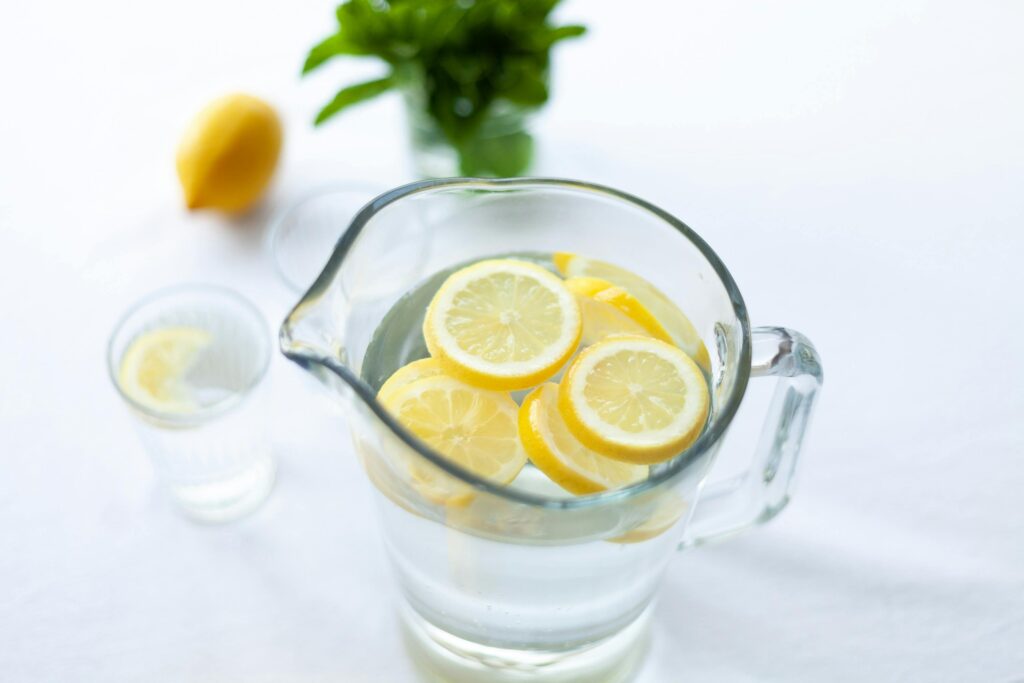
  • Drink 2L of water daily (add lemon or cucumber).
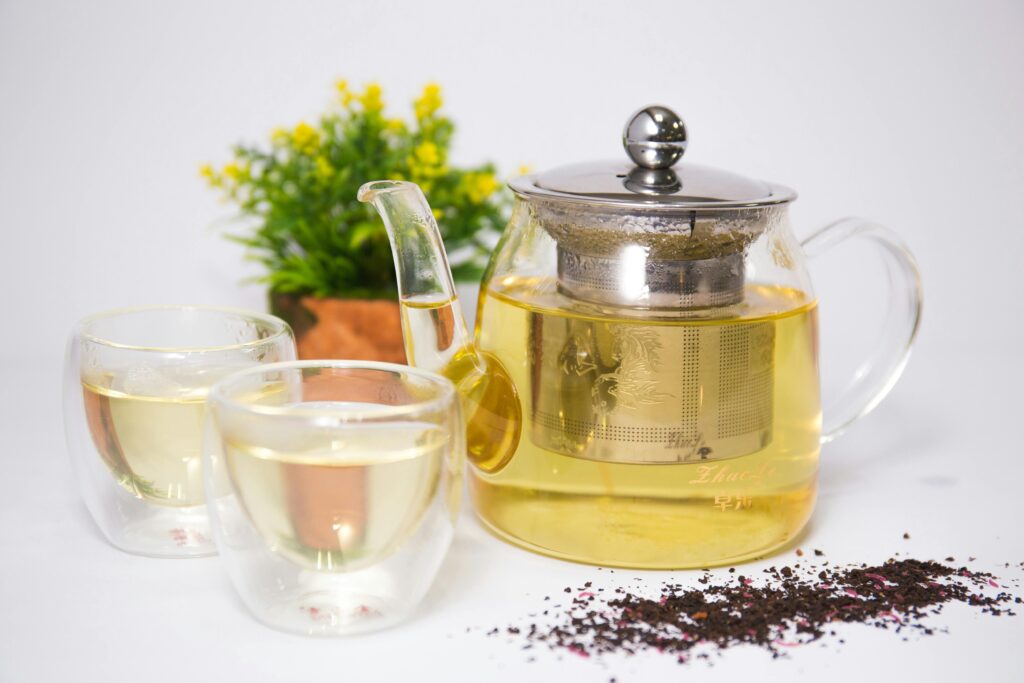
  • Sip herbal teas like ginger, peppermint, and chamomile to soothe digestion.
  • Move gently with walking, yoga, or stretching.
  • Prioritize sleep—7 to 8 hours helps your gut repair overnight.

FAQs About the 3-Day Gut Reset

Q1: Can I drink coffee during the reset?

Yes, but limit it to 1 cup daily, ideally black or with unsweetened almond milk.

Q2: Will I feel hungry on this plan?

No — meals are nutrient-dense and designed to keep you satisfied.

Q3: Can I swap ingredients?

Absolutely. Feel free to substitute proteins or veggies based on preference.

Q4: Is this reset safe for everyone?

It’s designed for general wellness but always consult a healthcare professional before major dietary changes.

Q5: Can I exercise during the reset?

Yes, but keep it light—yoga, stretching, or walking is best.

Q6: How often should I do a gut reset?

Once every few months is ideal, or whenever you feel your digestion needs a reset.

Your Path to Better Gut Health

The Gutsy Solution 3-Day Gut Reset is more than just a meal plan — it’s a gentle yet powerful way to reconnect with your body, restore balance, and boost energy. By focusing on nourishment, hydration, and lifestyle, you’ll give your gut the love it deserves.

👉 Ready to feel the difference?

Try the 3-Day Gut Reset and take your first step toward long-lasting gut health

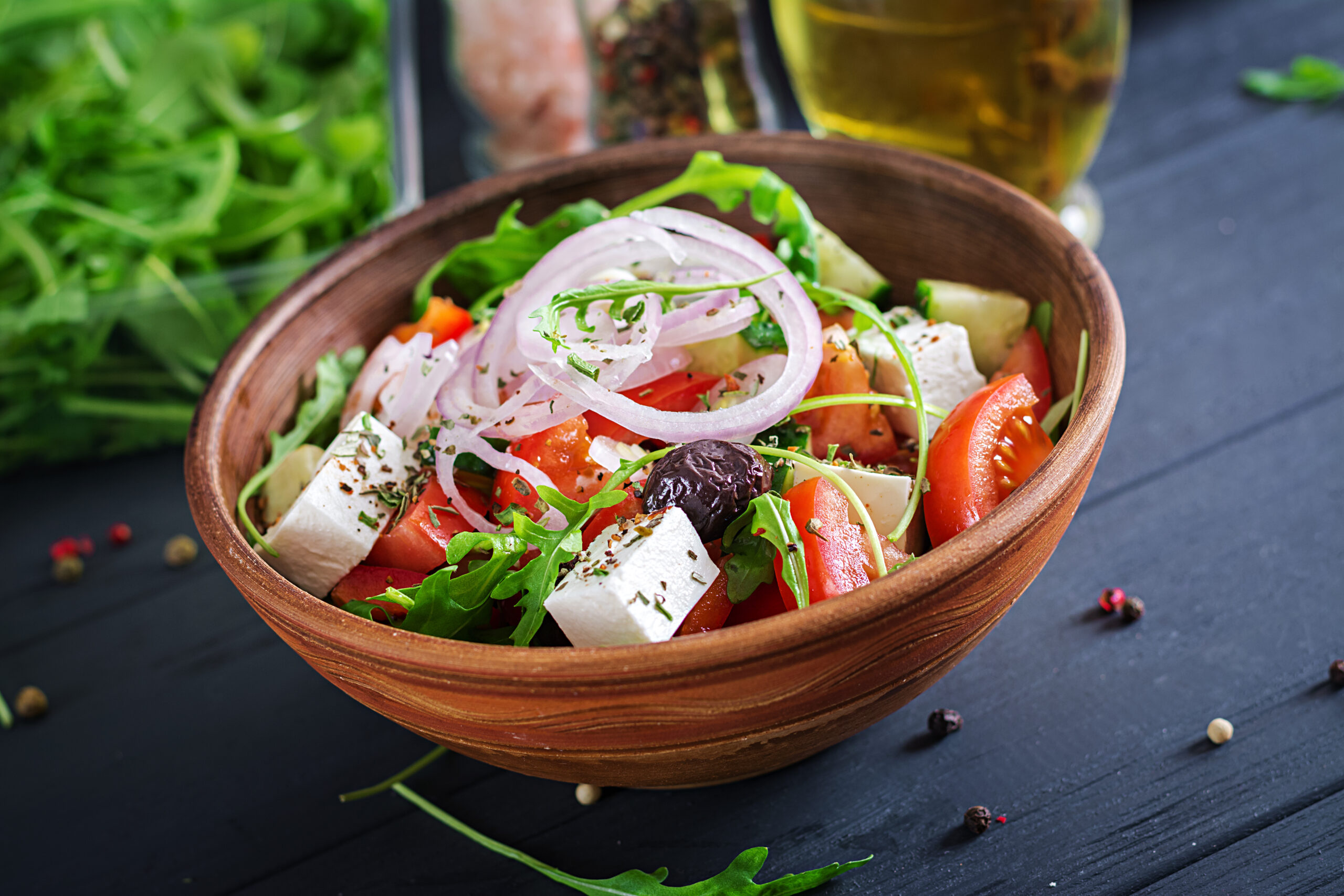
Mediterranean Greek salad with feta, olives, tomato, cucumber, and arugula — a healthy, hormone-balancing recipe for women in perimenopause and menopause.

Greek Salad

This entry is part 2 of 2 in the series Menopause Nutrition
Mediterranean Greek salad with feta, olives, tomato, cucumber, and arugula — a healthy, hormone-balancing recipe for women in perimenopause and menopause.

Greek Salad

This vibrant Mediterranean Greek salad combines fresh tomatoes, cucumber, red onion, arugula, black olives, and feta cheese with herbs for a nutritious, hormone-friendly meal. Ideal for perimenopausal and menopausal women, it supports gut health, balanced energy, and weight management.
Prep Time 10 minutes
Cook Time 0 minutes
Total Time 10 minutes
Servings: 1
Course: Salad
Cuisine: Mediterranean
Calories: 268

Ingredients
  

  • 1 tbsp extra virgin olive oil
  • 1/2 tsp lemon juice
  • 59 g cherry tomato halved
  • 15 g kalamata olive
  • 1/2 baby cos lettce
  • 1/2 cucumber chopped
  • 1/2 red capsicum chopped
  • 1/4 red onion sliced
  • 30 g feta cheese

Method
 

  1. Put the tomoatoes, olives, lettuce, cucumber, red onion and red capsicum into a bowl.
  2. Crumble in the feta and toss everything together
  3. Mix olive oil abd lemon juice together.
  4. Season with salt and pepper
  5. Pour the dressing over the salad ingredients evenly and enjoy!
Three women in their 30s and 40s talking over coffee, supporting each other during life transitions like perimenopause."

10 Early Signs of Perimenopause & How to Take Control

What Are the 10 Early Signs of Perimenopause?

Understanding the early signs of perimenopause can empower you to respond with confidence, not confusion.

Perimenopause often sneaks in — not with alarms, but with subtle shifts that can feel confusing or overwhelming. If you’ve ever asked yourself, “Is this normal, or is something changing in my body?” — you’re not imagining it. From disrupted sleep to emotional swings, these symptoms often signal the start of hormonal changes that mark the transition to menopause.

What Is Perimenopause?

Perimenopause is the hormonal transition before menopause, where your oestrogen levels begin to fluctuate. This shift causes your menstrual cycle to become irregular and marks the beginning of significant hormone-related changes in your body. While this transition is natural, the symptoms can feel anything but predictable.

When Does Perimenopause Usually Start?

Although it varies, most women notice early signs of perimenopause in their 40s. However, for some, symptoms may begin as early as their mid-30s. This stage can last anywhere from 4 to 10 years.

What Causes Perimenopause Symptoms?

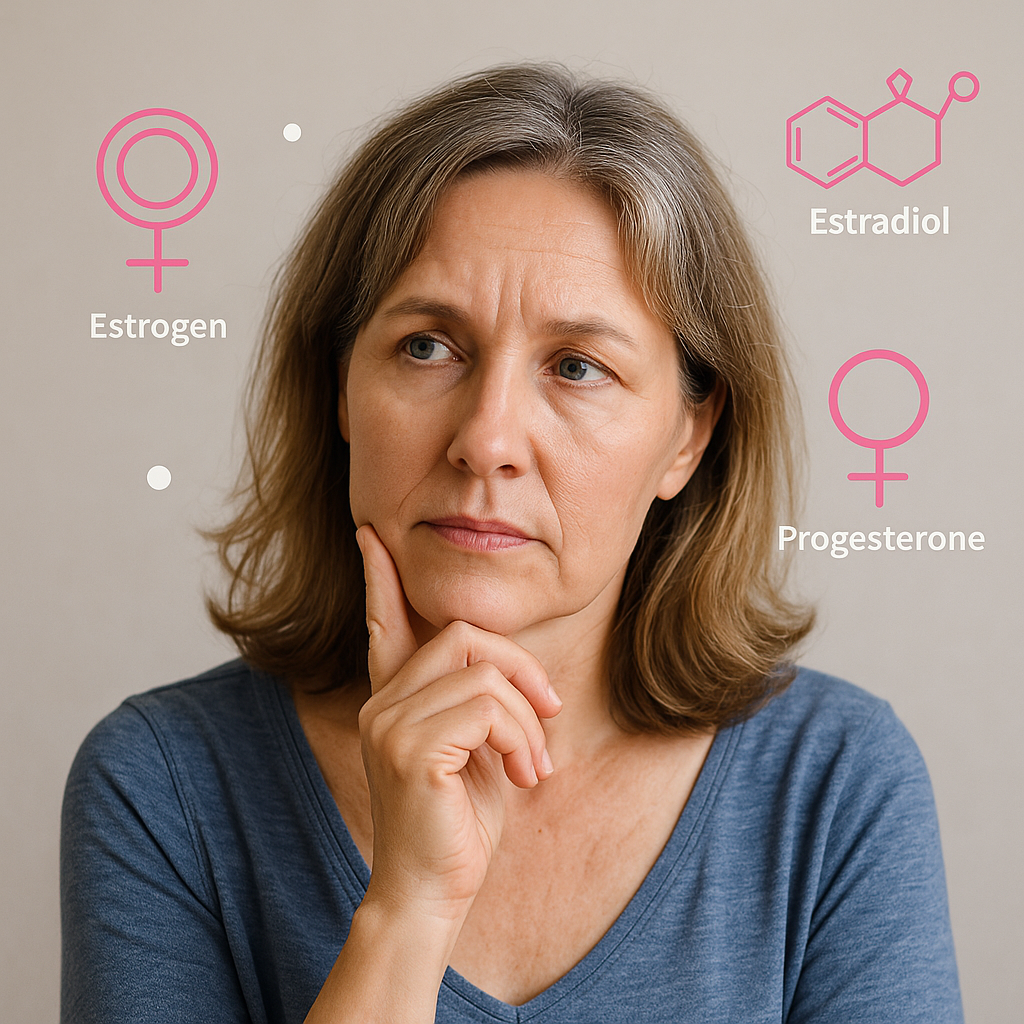
Oestrogen Fluctuations

Oestrogen, the hormone that once ran like clockwork, now rides a rollercoaster. These highs and lows can affect everything from your brain and bones to your mood, skin, and libido.

Progesterone and FSH

Progesterone dips too, throwing off your sleep and causing irregular period.

FSH (follicle-stimulating hormone) ramps up in an attempt to kickstart less responsive ovaries, often crating physical chaos.

10 Common Early Signs of Perimenopause

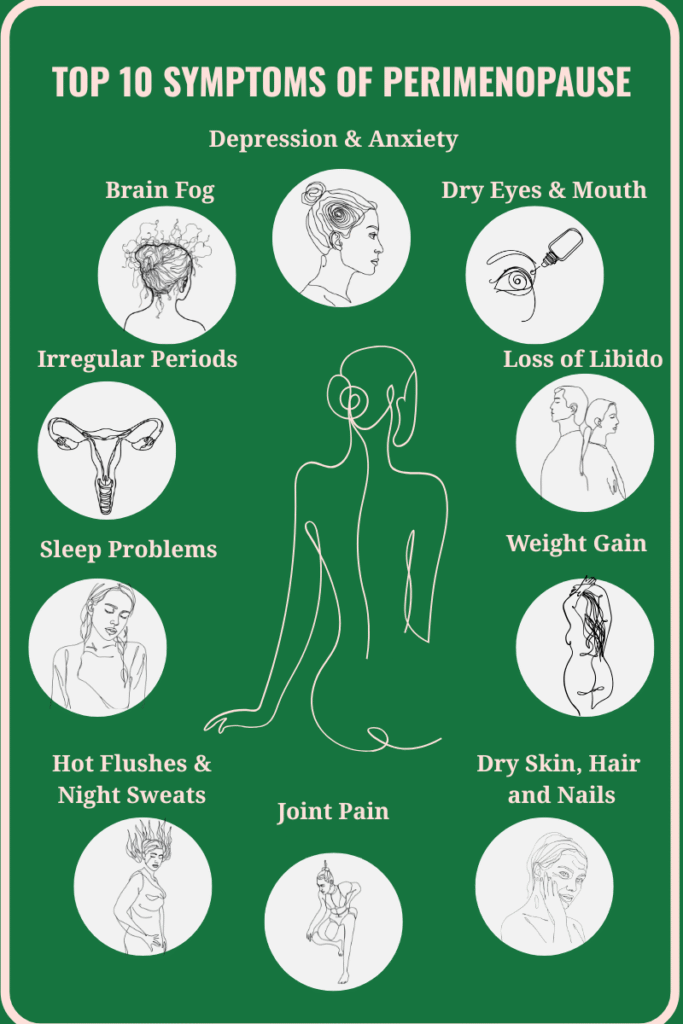
Visual illustration of Top 10 Perimenopause Symptoms Document

Irregular Periods: Your flow might be heavier, lighter, late, early—or vanish altogether.

Hot Flashes & Night Sweats: Sudden heat waves, often followed by chills or sweaty wake-ups.

Mood Swings & Anxiety: Tearful one minute, snappy the next. Your emotional state isn’t imagining things.

Sleep Disruptions: Can’t fall asleep? Waking up at 3am? That’s likely low progesterone at play.

Vaginal Dryness: Less estrogen = thinner, drier tissues. This can make intimacy uncomfortable.

Low Libido: Sex drive may dip due to hormone shifts and physical changes.

Hair Thinning & Dry Skin: Thanks to estrogen changes, your skin and hair may suddenly act up.

Brain Fog: Memory lapses and fuzzy thinking are very real.

Breast Tenderness: Feels like PMS—but it’s not going away.

Weight Gain: Your metabolism slows, especially around the belly.

How to Know If It’s Perimenopause or Something Else

Not all symptoms mean perimenopause. Here are other conditions that mimic it:

Thyroid Disorders

Symptoms like fatigue, mood shifts, and weight gain overlap with thyroid issues. A blood test can rule this out.

Chronic Stress or Depression

Mental health conditions or burnout can look a lot like perimenopause. Get evaluated if you’re unsure.

When to See a Doctor

Seek medical advice if you have:

  • Extremely heavy or painful periods
  • Long gaps between cycles
  • Severe mood changes or depression

Tests may include hormone panels (FSH, oestrogen), iron levels, thyroid function, or even a pelvic exam.

Medical & Natural Ways to Manage Perimenopause Symptoms

Hormone Replacement Therapy (HRT)

For some, HRT is a game changer—it’s the gold standard and you  should discuss the pros and cons with your GP.

Nutrition

Focus on whole foods rich in calcium, vitamin D, magnesium, and omega-3s.

Lifestyle Changes

Exercise, reduce alcohol and caffeine, and practice stress management.

Mental & Emotional Health During Perimenopause

  • Mood Management: Use mindfulness, cognitive behaviour therapy, or support groups to ride the emotional waves.
  • Better Sleep: Create a calm nighttime routine—no screens, soft lighting, and a regular bedtime.

FAQs About Early Perimenopause

  • Can Perimenopause Start in Your 30s? Yes, it’s possible.
  • Is Weight Gain Normal? Yes—hormonal shifts make it easier to gain, especially around the belly.
  • How Long Does It Last? Typically 4 to 10 years.
  • Can I Still Get Pregnant? Yes—until you’ve had 12 months without a period, it’s still possible.
  • Is It Just PMS? If symptoms feel stronger, last longer, or show up randomly—it’s probably perimenopause.
  • Do I Need a Blood Test? Not always, but hormone tests can clarify your status, especially if symptoms are severe.

Final Thoughts: You’re Not Broken—You’re Evolving

Perimenopause is part of your body’s natural rhythm. But that doesn’t mean you have to suffer silently. The more you know, the better prepared you are to support your body with strength, smarts, and a bit of sass.

You’re not alone. And you’re not crazy. You’re just gutsy—and that’s exactly what this journey needs.

Online Resources

Health Direct

Dr Louise Newsome 

Dr Mary Clare Havers

Dr Naomi Potter

The Australian Menopause Society 

The British Menopause Society 

The American Menopause Society

Menopause & Digestion: The Startling Link Every Woman Must Know

Have you noticed changes in your digestion lately? For example, maybe you’re bloated after meals, more constipated than usual, or reacting to foods that never used to bother you.

If so, it could be time to explore the menopause and digestion connection. Understanding this link can offer valuable insight and a sense of relief.

You’re not imagining it and you’re certainly not alone.

During perimenopause and menopause, your digestive system is deeply influenced by hormonal shifts, particularly changes in oestrogen and progesterone. These fluctuations impact everything from gut motility (how food moves through your digestive system), to stomach acid, and they can significantly change how your body processes food. 

Let’s break down the science behind your symptoms—and how to support your gut through this gutsy change. 

As you move through perimenopause and menopause, hormonal changes—especially in oestrogen and progesterone—can affect more than your mood and menstrual cycle. In fact, they deeply impact how your gut works.

These shifts can alter everything from how quickly food moves through your body (gut motility), to how much stomach acid you make, and even how your body absorbs nutrients.

So, what does this mean for your diestion? Let’s take a closer look.

1. Slower Gut Motility

To bgin with as hormones begin to fluctuate:

  • Oestrogen usually helps your gut muscles contract. When it drops, digestion can slow down, as a result, food may move more slowly through your bidy, causing bloating, sluggishness and constipation.
  • Progesterone relaxes the muscles in your gut and reduces movement in the stomach and intestines. Too much can also cause reflux and sluggish bowels.

Together, these hormonal changes can make it feel like your digestion has hit the brakes—or even come to a standstill. That’s because they disrupt the gut-brain connection, slowing things down and making your digestive system more sensitive, which can lead to issues like bloating, constipation, or even irritable bowel syndrome (IBS).

2. Lower Stomach Acid Production 

In addition to motility changes, Oestrogen which usually supports the production of stomach acid declines.

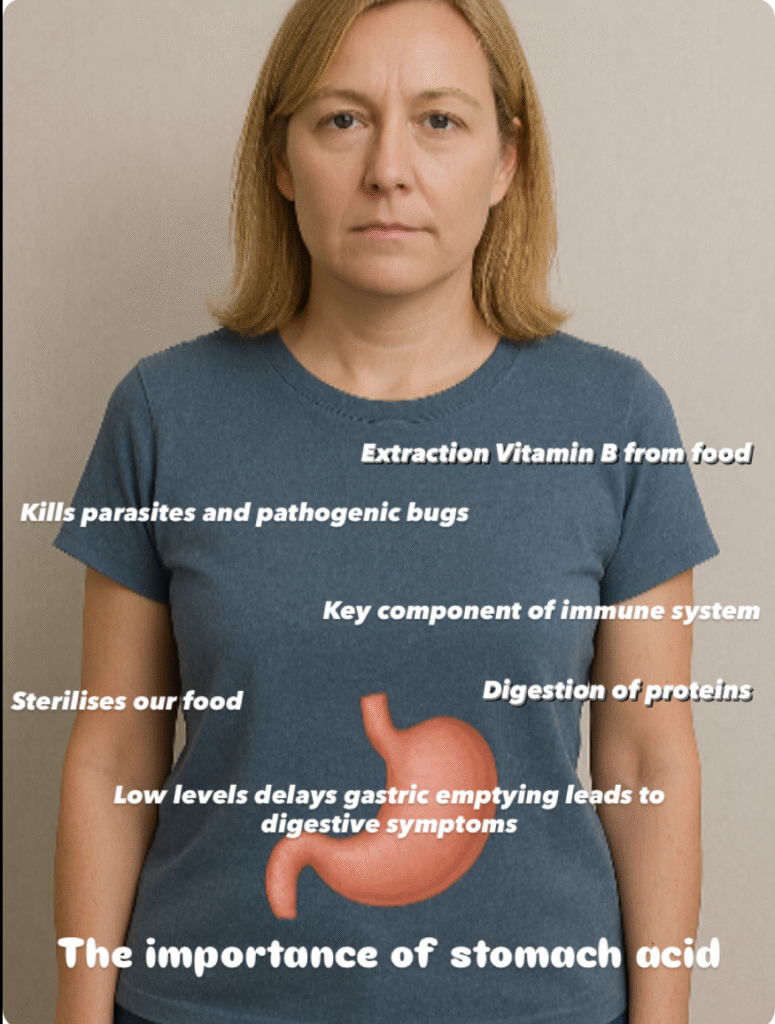
As oestrogen levels fall, stomach acid levels may drop, which can lead to indigestion, bloating, or even poor absorption of essential nutrients like B12, iron, and calcium.

Increased Food Sensitivities  


Another common experience during perimenopause is developing new food intolerances, new or worsening IBS symptoms, or even “leaky gut”

Because hormonal changes don’t just affect your gut—they affect your gut-brain axis. The result?

Increased gut reactivity to stree, emotion and specific foods.

As a result, foods that once felt fine now cause you discomfort and even helathy foods cna feel triggering if your gut is inflammed or overwhelmed.

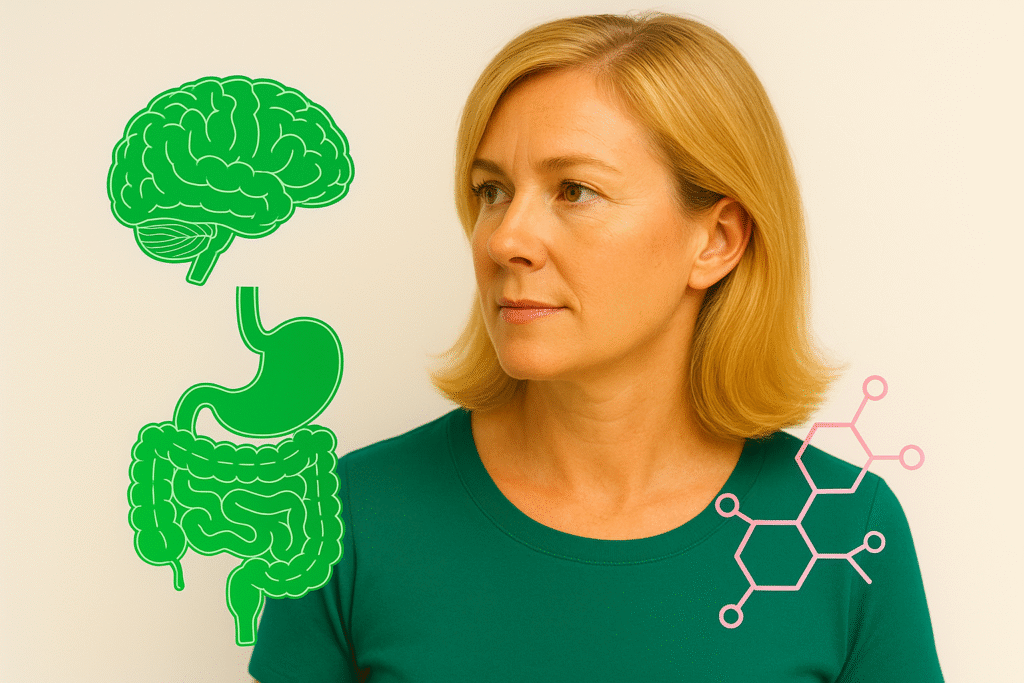
🧠 The Gut-Brain-Hormone Triangle 

It’s not just your hormones or your gut acting alone—your brain is part of the story too.

Your gut and brain are constantly talking through the vagus nerve—and hormones help run that conversation.

When oestrogen drops, it also impacts mood-regulating brain chemicals like serotonin, about 95%of which is made in your gut.

This can change

  • your mood
  • your sigestion speed
  • how your body senses pain or stress in your digestive system.

That’s why bloating, cramps, or constipation might flare up more when you’re feeling anxious, overwhelmed or not sleeping well—unfortunately a common experience in midlife.

🔬 What the Research Says

Here’s what emerging science reveals about menopause and gut health:

🥦 How to Support Your Gut During Perimenopause 

Now for the good news: You’re not powerless, your body can adapt. Here are 5 evidence-based, gutsy strategies to support your digestion during this hormonal shift: 

✅ 1.  Prioritise Fiber, But Gently 

Focus on soluble fiber (like oats, chia seeds, cooked veggies) to support motility without overwhelming a sensitive gut. 

✅ 2.  Balance Your Plate 

A combination of protein, healthy fats, and complex carbs helps regulate blood sugar and reduces post-meal bloating. 

✅ 3.  Use Mindful Eating Practices 

Chew thoroughly, slow down, and eat in a calm environment to support the gut-brain axis.

✅ 4.  Limit Gut Disruptors 


Minimise ultra-processed foods, alcohol, and high FODMAP foods if they trigger symptoms. 

✅ 5.  Consider Digestive Support 


Discuss with your nutritionist whether digestive enzymes or probiotics might help. 

Final Thoughts from Gutsy Solution 💬 

Perimenopause and menopause are powerful physiological transitions—not punishments. If your digestion feels “off,” it’s not a flaw. It’s your body adapting to change. 

At Gutsy Solution, we’re here to cut through the confusion with science—not shame. By listening to your body and learning what it needs now, you can support your gut with confidence and compassion. 

📚 References 

  1. Ley D, Saha S. Menopause and gastrointestinal health and disease. Nat Rev Gastroenterol Hepatol. 2025 May 23. doi: 10.1038/s41575-025-01075-7. Epub ahead of print. PMID: 40410564. 
  2. Marlatt KL, Pitynski-Miller DR, Gavin KM, Moreau KL, Melanson EL, Santoro N, Kohrt WM. Body composition and cardiometabolic health across the menopause transition. Obesity (Silver Spring). 2022 Jan;30(1):14-27. doi: 10.1002/oby.23289. PMID: 34932890; PMCID: PMC8972960.
  3. Nachtigall LE, Nachtigall L. Menopause and the gastrointestinal system: our gut feelings. Menopause. 2019 May;26(5):459-460. doi: 10.1097/GME.0000000000001316. PMID: 30839365.
  4. Peters BA, Santoro N, Kaplan RC, Qi Q. Spotlight on the Gut Microbiome in Menopause: Current Insights. Int J Womens Health. 2022 Aug 10;14:1059-1072. doi: 10.2147/IJWH.S340491. PMID: 35983178; PMCID: PMC9379122.
  5. Santoro N, Roeca C, Peters BA, Neal-Perry G. The Menopause Transition: Signs, Symptoms, and Management Options. J Clin Endocrinol Metab. 2021 Jan 1;106(1):1-15. doi: 10.1210/clinem/dgaa764. PMID: 33095879.

Two women holding hands and joyfully jumping on a sandy beach by the ocean, symbolizing vitality, connection, and freedom in midlife.

This is the time of your Gutsy Shift

Perimenopause VS Menopause: What’s the Difference & What Should You Expect?

Navigating changes in our body can be confusing at the best of times – especially when it comes to terms like perimenopause and menopause. Are they the same thing? Is one worse than the other? How do I know which one I’m experiencing or if it even is one of them?

Let’s try to break it down and make it easier to understand, without all the medical jargon.

Understanding the Basics

Think of perimenopause and menopause as two chapters in the same book – the book of your hormonal change.

What is Perimenopause?

The prequel (as they say in the movies) to Menopause. It’s the time on our life when our bodies begin to slowly stop producing oestrogen and progesterone. It can sneak up on us in our 30’s or 40’s … yes you read that right, our 30’s, and can last up to 10 years … yes, you read that correctly too!

During perimenopause our periods can become unpredictable. One month is heavy, another is spotting, or it skips altogether. The fluctuations are caused by changing hormone levels. These differing hormone levels can also trigger a wide range of symptoms, it more on that later.

What is Menopause?

The term “menopause” was introduced in 1821 by French physician Charles-Pierre-Louis de Gardanne. Derived from the Greek root “meno,” meaning “month” and linked to the moon, combined with “pause,” signifying a halt or stop, the word directly translates to the cessation of the monthly cycle. It’s officially the end of your reproductive years. We officially reach menopause after 12 full months without a period – so no spotting and no bleeding. It usually hits us between the ages of 45 and 55 but it can be earlier or later and can be “natural” or ‘”surgical”. If you have both your ovaries removed for whatever reason, at whatever age we automatically go into menopause.

Unlike perimenopause, which is all about hormonal ups and downs, menopause means those hormones have dropped. Oestrogen to a low level and stayed low (small amounts of oestrogen is produced in other part of the body like fat tissue and adrenal glands) and progesterone essentially stops (it’s mainly produced after ovulation, and we don’t ovulate anymore after menopause).

Symptoms: What to Expect and When

Common symptoms we have probably all heard of

SymptomsPerimenopauseMenopause
Irregular Periods Very commonPeriods have stopped
Hot FlushesCommon, come and go, unpredictableOften more intense and persistent
Night SweatsYes, especially in the later stagesYes, typically more regular
Mood SwingsCan feel like PMS x 10Can continue but tend to stabilise
Vaginal DrynessBegins mildlyProminent due to lack of oestrogen and lead to Genitourinary Syndrome of Menopause (GSM)
Sleep IssuesCommon trouble falling asleep, wake up oftenMy get worse due to hot flushes and hormone changes
Libido ChangesUp and downOften but individuals vary
Fatigue and brain fogYes, especially mid to late perimenopauseCan persist post menopause
Bone density concernsNot immediately significantCan be life altering changes

Uncommon symptoms you probably didn’t even realise were due to perimenopause

Perimenopause symptoms in particular are vast and different for everyone. Besides the usual hot flushes, night sweats and sleep issues there a whole range of others that we don’t always hear about.

Heart Palpitations a sensation of a racing, pounding or irregular heartbeat. Typically, short-lived and harmless but you should always tell your doctor about them
Weight gain and weight redistributionOestrogen reduces causing fat distribution to shift from hips and thighs to abdominal visceral fat
Psychological changesdepressions, anxiety, irritability, mood swings, panic attacks
Fatiguechanges to hormones levels and sleep disturbances can lead to fatigue and feeling tired both physically and mentally
Sore or tender breastsCan be an early indicator of perimenopause and feels different to breast tenderness felt during PMS
Gut issuesAcid reflux, diarrhoea, constipation, bloating
Neurological issues Migraines, brain fog, memory problems, dizziness/vertigo, tingling
MusculoskeletalFrozen shoulder, joint pain and stiffness, aching muscles, loss of grip strength, gluteal tendinopathy, osteoporosis
Changes to skin, hair and nailsDry itchy skin, weak brittle nails, hair loss, acne, pigmentation
Eye problemsDry itchy eyes
Mouth and dental issues burning sensation in the mouth, metallic taste, gum disease
Urinary issuesFrequency, incontinence, overactive bladder
Allergiesnew or increase allergy symptoms
Body odourincreased sweating and night sweats can cause body odour issues; hormone fluctuation can increase odour producing bacteria.

Just know you are not going crazy, you are not imagining it, it is real, and you can be helped to reduce or eliminate most of the symptoms.