Menopause and Weight Gain: The Science and the Risks Part 1

This entry is part 1 of 2 in the series Menopause & Weight

Why Menopause Changes Your Body

If you’re in your 40s or 50s and suddenly notice your waistline expanding despite eating and exercising the same way as before, you’re not alone. Many women describe thier menopausal weight gain as if a balloon inflated in their midsection overnight. Clothes no longer fit the same, energy levels dip, and frustration grows.

Here’s the important truth: nothing is wrong with you. These changes aren’t a sign of weakness or failure – they’re the predictable result of hormonal changes during perimenopause and menopause. It has nothing to do with your willpower or letting yourself go or being lazy.

Weight gain in midlife isn’t just about the number on the scale. It’s about shifts in body composition, metabolism, and fat distribution. Understanding these changes is key to managing them — and the good news is, there are proven strategies to help.

What Exactly Is “Menopause Belly”?
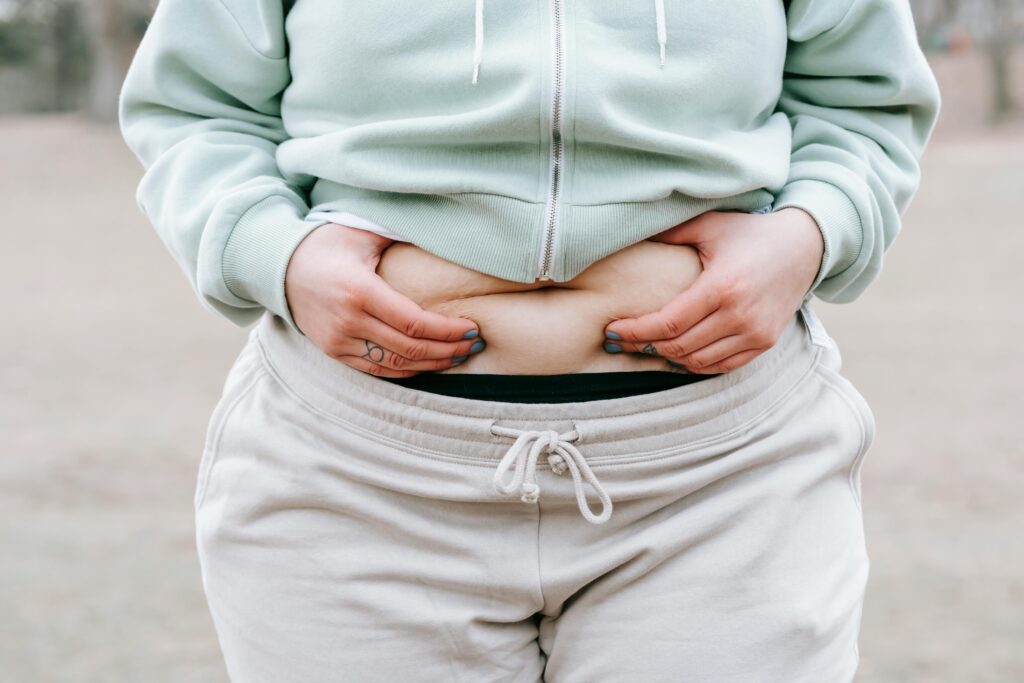
woman in a tracksuit holding her belly fat to signify menopasue weight gain
Photo by Andres Ayrton: https://www.pexels.com/photo/woman-showing-her-belly-6551492/

When people talk about “meno-belly” or “menopot,” they’re describing a specific pattern of fat gain that occurs during the menopausal transition.

Unlike general weight gain, this belly fat often develops even when a woman’s overall weight doesn’t change. In fact, many women report that while their arms and legs get thinner, their waistline grows larger. They also often say that they are not doing anythig different, their diet and excerise hasnt changed at all but their weight keeps increasing and they can’t lose the weight the way they used to in their 20’s or 30’s.

Subcutaneous vs. Visceral Fat

Subcutaneous fat sits directly under the skin. It’s soft and pinchable — the “muffin top” that spills over waistbands. While annoying, it’s less concerning for long-term health.

Visceral fat, the weight gain we often see on our bellies in menopause, on the other hand, is far more dangerous. It lies deep inside the abdomen, wrapping around vital organs like the liver, intestines, and stomach. Unlike subcutaneous fat, visceral fat is metabolically active, releasing inflammatory substances that disrupt health.

Why Visceral Fat Is More Dangerous

Visceral fat isn’t just a cosmetic issue — it’s a metabolic one. It increases the risk of:

  • Cardiovascular disease
  • Type 2 diabetes
  • High blood pressure
  • Insulin resistance
  • Certain cancers

That’s why many healthcare providers measure waist circumference or waist to hi ratio as an indicator of disease risk. A growing belly during menopause isn’t just about how you look — it’s about what’s happening inside your body.

The Science Behind Menopausal Weight Gain
close up of microscope
Photo by Pixabay on Pexels.com

Menopausal weight gain is driven by a complex interplay of hormones, metabolism, and ageing. Let’s break it down.

Hormonal Changes Driving Fat Redistribution

Oestrogen Decline

Oestrogen regulates metabolism and fat storage. In reproductive years, it directs fat toward the hips and thighs (the “pear shape”).

But as estrogen declines, fat storage shifts to the abdomen, resulting in an “apple shape.”
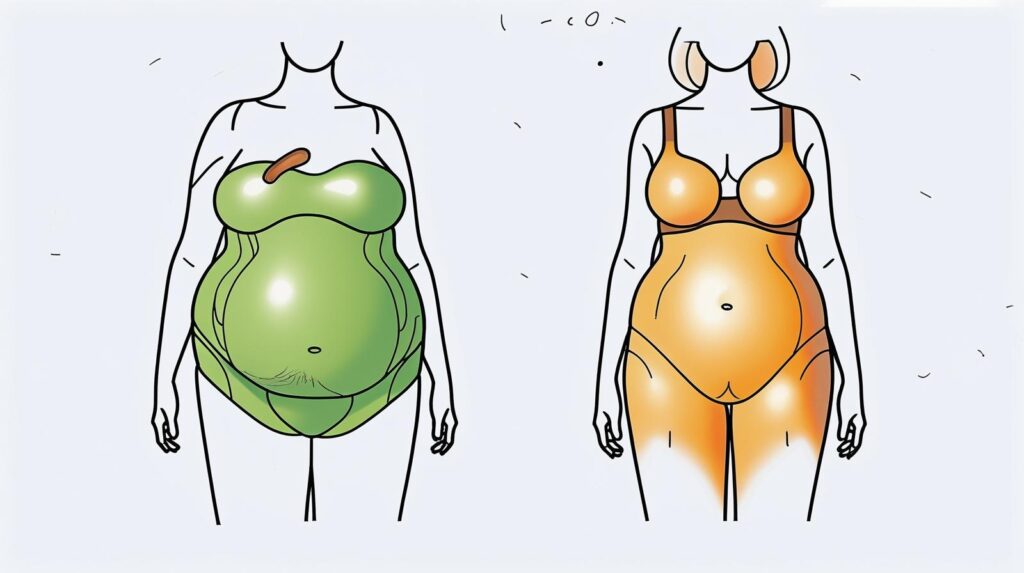
Increased Availability of Testosterone

With lower oestrogen, testosterone becomes more dominant. This hormonal imbalance encourages abdominal fat accumulation, making belly fat almost inevitable for many women.

Changes in Hunger Hormones

Leptin is a hormone your body releases that helps it maintain your normal weight on a long-term basis. The level of leptin in your blood is directly related to how much body fat you have. Leptin resistance causes you to feel hungry and eat more even though your body has enough fat stores.

Ghrelin is a hormone your stomach produces and releases. It signals your brain when your stomach is empty and it’s time to eat. Ghrelin levels increase between mealtimes and decrease when your stomach is full. People who have obesity often have low ghrelin levels, while people who significantly restrict their calorie intake have high ghrelin levels.

Leptin levels decrease, reducing natural appetite suppression.

Ghrelin levels rise, especially with poor sleep, increasing hunger and cravings.

This hormonal shift explains why many women feel hungrier and have a harder time controlling food intake during menopause.

Metabolic Slowdown

Research1 shows that women who transition to menopause experience:

  • A 32% reduction in fat burning (oxidation)
  • A 1.5x greater decline in energy expenditure during sleep

This means your metabolism is slower, even when you’re resting.

Muscle Mass Decline and Its Role in Weight Gain

Muscle burns more calories at rest than fat. Unfortunately, menopause accelerates muscle loss:

  • After 50, women lose 5–10% of muscle mass every decade.2
  • The SWAN study found that lean muscle declines while fat accumulation doubles during menopause.3

Less muscle means fewer calories burned, which makes weight gain easier and weight loss harder.

Inflammation and Fat Tissue Dysfunction

Menopause isn’t just about fat gain — wjhit’s about changes in the fat tissue itself. Research shows that postmenopausal women experience:

  • Larger fat cells (adipocyte hypertrophy)
  • Increased inflammation
  • Fibrosis (scar tissue in fat cells)

This makes fat tissue metabolically unhealthy, driving insulin resistance and worsening belly fat.4

Numbers That Tell the Story
crop plump black woman in underwear

  • 65.5% of women aged 40–59 have abdominal obesity
  • 73.8% of women aged 60+ have abdominal obesity
  • Average weight gain during menopause transition: 10kg (22 lbs)
  • Visceral fat doubles from 5–8% to 10–15% of body weight

These numbers highlight why menopausal weight gain isn’t an isolated experience — it’s nearly universal.

Health Risks of Menopausal Weight Gain

Belly fat during menopause isn’t just frustrating — it’s dangerous.

Heart Disease and High Blood Pressure

Visceral fat releases inflammatory cytokines that damage blood vessels and raise blood pressure. This significantly increases the risk of heart disease, the leading cause of death in women.

Type 2 Diabetes and Insulin Resistance

Belly fat promotes insulin resistance, making it harder for the body to regulate blood sugar, increasing the risk of type 2 diabetes.

Cancer, Dementia, and Metabolic Syndrome

Research links abdominal obesity to higher risks of breast cancer, colorectal cancer, and even dementia. It also contributes to metabolic syndrome — a cluster of conditions including high blood pressure, high blood sugar, and abnormal cholesterol.4-7

Whilst understanding the science behind menopausal weigh gain and its associated health risks is the first step, the good news is ther aree proven, practical strategies to help prevent or reduce it.

In our next post, we’ll dive into the evidence-based solutions – covering nutrition, exercise, hormone therapy, and lifestyle interventions – that can make a real difference during the menopause transition.

Stay tuned for Part 2, where we’ll focus on what actually works to support your health, energy and confidence.

References

  • 1. Lovejoy, J. C., Champagne, C. M., de Jonge, L., Xie, H., & Smith, S. R. (2008). Increased visceral fat and decreased energy expenditure during the menopausal transition. International journal of obesity (2005)32(6), 949–958. https://doi.org/10.1038/ijo.2008.25
  • 2. Mitchell, W. K., Williams, J., Atherton, P., Larvin, M., Lund, J., & Narici, M. (2012). Sarcopenia, dynapenia, and the impact of advancing age on human skeletal muscle size and strength; a quantitative review. Frontiers in physiology3, 260. https://doi.org/10.3389/fphys.2012.00260
  • 3. Harlow, S. D., Burnett-Bowie, S. M., Greendale, G. A., Avis, N. E., Reeves, A. N., Richards, T. R., & Lewis, T. T. (2022). Disparities in Reproductive Aging and Midlife Health between Black and White women: The Study of Women’s Health Across the Nation (SWAN). Women’s midlife health8(1), 3. https://doi.org/10.1186/s40695-022-00073-y
  • 4. Abildgaard, J., Ploug, T., Al-Saoudi, E., Wagner, T., Thomsen, C., Ewertsen, C., Bzorek, M., Pedersen, B. K., Pedersen, A. T., & Lindegaard, B. (2021). Changes in abdominal subcutaneous adipose tissue phenotype following menopause is associated with increased visceral fat mass. Scientific reports11(1), 14750. https://doi.org/10.1038/s41598-021-94189-2
  • 5. UK Biobank 2023
  • 6. Lizcano, F., & Guzmán, G. (2014). Estrogen Deficiency and the Origin of Obesity during Menopause. BioMed research international2014, 757461. https://doi.org/10.1155/2014/757461
  • 7. Davis, S. R., Castelo-Branco, C., Chedraui, P., Lumsden, M. A., Nappi, R. E., Shah, D., Villaseca, P., & Writing Group of the International Menopause Society for World Menopause Day 2012 (2012). Understanding weight gain at menopause. Climacteric : the journal of the International Menopause Society15(5), 419–429. https://doi.org/10.3109/13697137.2012.707385

Menopause and Weight Gain: The Science and the Risks Part 2

This entry is part 2 of 2 in the series Menopause & Weight

In our previous post, we explored the science behind menopause-related weight gain and the health risks associated with it. Now, it’s time to turn knowledge into action. The encouraging news is that weight gain during menopause isn’t inevitable — there are scientifically proven strategies that can help prevent or reduce it.

In this article, we’ll uncover the most effective, evidence-based approaches, from nutrition and exercise to hormone therapy and lifestyle adjustments, so you can work with your body during this transition rather than against it.

Lifestyle Factors That Influence Weight Gain

Hormones set the stage, but lifestyle can either worsen or improve the picture.

Sleep Disruptions and Weight

Menopause often brings insomnia or sleep apnea. Poor sleep increases ghrelin and lowers leptin, driving appetite and late-night snacking. Studies show that just 21 days of sleep restriction increases belly fat by nearly 10%.

sleeping pill and digital clock on bedside table
Photo by cottonbro studio on Pexels.com

Stress, Cortisol, and Emotional Eating

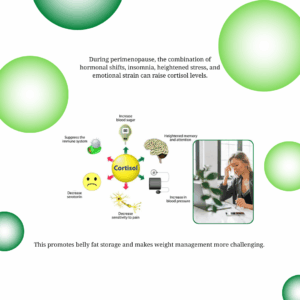
High stress raises cortisol, which promotes central fat storage. Combined with emotional eating, this accelerates belly fat gain.

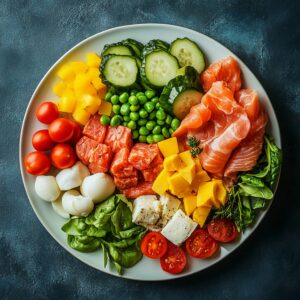
Healthy balanced plate with salmon, fresh vegetables, mozzarella, feta, and mango arranged in a colourful, nutrient-rich meal.

Impact of Medications

Some medications prescribed during midlife — like SSRIs, SNRIs, and beta blockers — can contribute to weight gain. Discuss alternatives with your doctor if this is a concern.

What Actually Works: Evidence-Based Solutions

The good news? Menopausal weight gain isn’t inevitable. Here’s what research shows really works.

Resistance Training – The Non-Negotiable Foundation

Woman in a gym preparing to lift a barbell, wearing athletic clothing and sneakers, in a black-and-white photo emphasizing strength and focus.
Photo by Jake “Sulli” Swoyer: https://www.pexels.com/photo/woman-lifting-a-barbell-4373472/
  • Reduces visceral and subcutaneous fat
  • Increases muscle mass and strength
  • Improves blood sugar and lowers inflammation

A 15-week resistance training program showed significant reductions in belly fat.1-2 Just 2–3 sessions per week make a measurable difference.

Protein Intake – Why Women Need More

Healthy balanced plate with salmon, fresh vegetables, mozzarella, feta, and mango arranged in a colourful, nutrient-rich meal.
irina-del-Mha5nyvZ2G4-unsplash

Women in menopause need 1.2–1.6 g of protein per kg of body weight daily. Protein supports muscle maintenance, increases satiety, and improves energy.3-4

Aim for 30g per meal spread throughout the day.

Plant-Forward, High-Fiber Diets

Colourful assortment of fresh fruits and vegetables, including tomatoes, grapes, peppers, berries, and greens spilling from a wicker basket.
david-foodphototasty-FGrO63vUbaA-unsplash

Fiber supports gut health, reduces inflammation, and improves insulin sensitivity. Women should aim for 35–40g of fiber daily from fruits, vegetables, legumes, nuts, and seeds.5-6

Exercise Timing – Morning vs. Evening Workouts

Studies show that women who exercise before breakfast burn more belly fat and lower blood pressure compared to evening exercisers.

The Role of Yoga, Squats, and Lunges

Woman performing a lunge exercise outdoors, wearing fitness clothing and sneakers, demonstrating strength and balance.
jonathan-borba-L5VjCZp0ZSY-unsplash
  • Yoga reduces cortisol and belly fat by lowering stress hormones.
  • Squats and lunges engage large muscle groups, boosting calorie burn and fat loss.

Hormone Replacement Therapy and Weight Management

Does HRT Cause Weight Gain?

Contrary to popular belief, hormone replacement therapy (HRT) does not cause weight gain.

Estrogel 80-gram pump dispenser and box showing dosage information and labeling for prescription hormone replacement therapy containing estradiol.
Estrogel_Australia

Benefits of HRT for Metabolic Health

  • Reduces visceral fat accumulation
  • Improves insulin sensitivity
  • Enhances sleep, mood, and energy—making weight management easier

HRT isn’t for everyone, but it can be life-changing when appropriate.

What Doesn’t Work – Common Mistakes to Avoid

  • Extreme calorie restriction → causes muscle loss and slows metabolism
  • Cardio-only exercise → doesn’t address muscle decline
  • Generic diet programs → ignore hormonal realities
  • Shame-based approaches → raises cortisol and worsen belly fat

A Comprehensive Lifestyle Approach That Works

The most successful strategies combine multiple elements:

  • Resistance training 2–3 times weekly
  • Adequate protein at each meal
  • Plant-based, high-fiber eating
  • Prioritizing 7–8 hours of quality sleep
  • Stress management (yoga, meditation, massage)
  • Supportive community or accountability partner

Consistency beats perfection. Meaningful changes typically take 12–16 weeks.

The Mindset Shift: It’s Not Your Fault

One of the most empowering shifts is realizing that menopausal weight gain isn’t a failure of willpower. It’s a predictable physiological response.

Once you understand this, you can stop blaming yourself and start working with your body instead of fighting against it.

Emerging Research and What We Still Need to Learn

Researchers are now studying:

  • Combination therapies (diet + exercise + HRT)
  • Long-term resistance training protocols
  • The link between menopause and other chronic conditions

While much progress has been made, more menopause-specific research is still needed.

Practical Tips to Start Today

  1. Lift weights at least twice a week
  2. Eat 30g of protein per meal
  3. Walk 30–45 minutes daily
  4. Add yoga or meditation twice a week
  5. Aim for 7–8 hours of sleep
  6. Reduce added sugars and processed foods

FAQs on Menopause and Weight Gain

Q1: Is weight gain during menopause inevitable?
Not inevitable, but very common due to hormonal and metabolic changes. Lifestyle interventions can help prevent or reduce it.

Q2: How much weight do women usually gain during menopause?
On average, women gain 10kg (22 lbs) during the transition.

Q3: What type of exercise is best for menopause belly?
A combination of resistance training, cardio, and yoga works best.

Q4: Does HRT help with weight loss?
HRT doesn’t directly cause weight loss but can help manage sleep, mood, and energy, making weight control easier.

Q5: Can diet alone reduce menopause belly?
Diet is crucial, but without resistance training, muscle loss continues, making long-term results harder.

Q6: How long does it take to see results?
Most women notice changes in 12–16 weeks of consistent effort.

Conclusion: Work With Your Body, Not Against It

Menopausal weight gain can feel discouraging, but it’s not your fault—it’s biology. The good news is that by understanding the science and applying proven strategies, you can manage your weight, reduce health risks, and feel stronger than ever.

The key is consistency, not perfection. With the right combination of resistance training, protein-rich nutrition, sleep, stress management, and possibly hormone therapy, you can take charge of your health during menopause and beyond.

👉 Remember, your body isn’t broken—it’s simply following a new script. And with the right tools, you can write a healthier chapter.

References

  • 1. Nilsson, S., Hammar, M., West, J., Borga, M., Thorell, S., & Spetz Holm, A. C. (2023). Resistance training decreased abdominal adiposity in postmenopausal women. Maturitas176, 107794. https://doi.org/10.1016/j.maturitas.2023.107794
  • 2. Khalafi, M., Habibi Maleki, A., Sakhaei, M. H., Rosenkranz, S. K., Pourvaghar, M. J., Ehsanifar, M., Bayat, H., Korivi, M., & Liu, Y. (2023). The effects of exercise training on body composition in postmenopausal women: a systematic review and meta-analysis. Frontiers in endocrinology14, 1183765. https://doi.org/10.3389/fendo.2023.1183765
  • 3. Silva Ramirez, V. V., Oelmann, A., Holtje, J., Shannahan, L., Shelton, G., Nguyen, N., Sims, S. T., Greece, J. A., Pyott, L., Lyon, G., Ormsbee, M. J., & Campbell, B. I. (2025). Survey study of changes in total caloric and protein intake across the menopause transition: a preliminary analysis. Journal of the International Society of Sports Nutrition22(Suppl 2), 2550192. https://doi.org/10.1080/15502783.2025.2550192
  • 4. Paul, C., Leser, S., & Oesser, S. (2019). Significant Amounts of Functional Collagen Peptides Can Be Incorporated in the Diet While Maintaining Indispensable Amino Acid Balance. Nutrients11(5), 1079. https://doi.org/10.3390/nu11051079
  • 5. Mantzoros C. S. (1999). The role of leptin in human obesity and disease: a review of current evidence. Annals of internal medicine130(8), 671–680. https://doi.org/10.7326/0003-4819-130-8-199904200-00014
  • 6. Yu, K., Ke, M. Y., Li, W. H., Zhang, S. Q., & Fang, X. C. (2014). The impact of soluble dietary fibre on gastric emptying, postprandial blood glucose and insulin in patients with type 2 diabetes. Asia Pacific journal of clinical nutrition23(2), 210–218. https://doi.org/10.6133/apjcn.2014.23.2.01