
In our previous post, we explored the science behind menopause-related weight gain and the health risks associated with it. Now, it’s time to turn knowledge into action. The encouraging news is that weight gain during menopause isn’t inevitable — there are scientifically proven strategies that can help prevent or reduce it.
In this article, we’ll uncover the most effective, evidence-based approaches, from nutrition and exercise to hormone therapy and lifestyle adjustments, so you can work with your body during this transition rather than against it.
Lifestyle Factors That Influence Weight Gain
Hormones set the stage, but lifestyle can either worsen or improve the picture.
Sleep Disruptions and Weight
Menopause often brings insomnia or sleep apnea. Poor sleep increases ghrelin and lowers leptin, driving appetite and late-night snacking. Studies show that just 21 days of sleep restriction increases belly fat by nearly 10%.

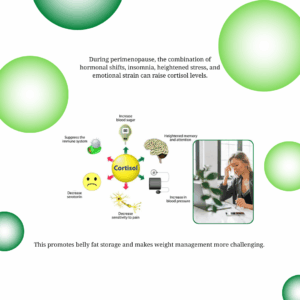
Stress, Cortisol, and Emotional Eating
High stress raises cortisol, which promotes central fat storage. Combined with emotional eating, this accelerates belly fat gain.
Impact of Medications
Some medications prescribed during midlife — like SSRIs, SNRIs, and beta blockers — can contribute to weight gain. Discuss alternatives with your doctor if this is a concern.
What Actually Works: Evidence-Based Solutions
The good news? Menopausal weight gain isn’t inevitable. Here’s what research shows really works.
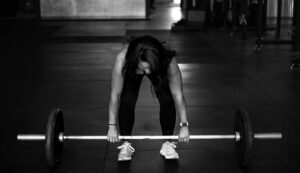
Resistance Training – The Non-Negotiable Foundation
- Reduces visceral and subcutaneous fat
- Increases muscle mass and strength
- Improves blood sugar and lowers inflammation
A 15-week resistance training program showed significant reductions in belly fat.1-2 Just 2–3 sessions per week make a measurable difference.
Protein Intake – Why Women Need More
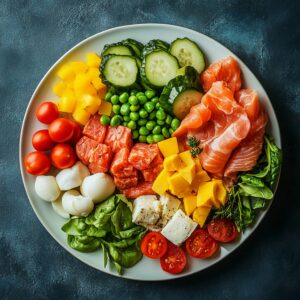
Women in menopause need 1.2–1.6 g of protein per kg of body weight daily. Protein supports muscle maintenance, increases satiety, and improves energy.3-4
Aim for 30g per meal spread throughout the day.
Plant-Forward, High-Fiber Diets

Fiber supports gut health, reduces inflammation, and improves insulin sensitivity. Women should aim for 35–40g of fiber daily from fruits, vegetables, legumes, nuts, and seeds.5-6
Exercise Timing – Morning vs. Evening Workouts
Studies show that women who exercise before breakfast burn more belly fat and lower blood pressure compared to evening exercisers.
The Role of Yoga, Squats, and Lunges

- Yoga reduces cortisol and belly fat by lowering stress hormones.
- Squats and lunges engage large muscle groups, boosting calorie burn and fat loss.
Hormone Replacement Therapy and Weight Management
Does HRT Cause Weight Gain?
Contrary to popular belief, hormone replacement therapy (HRT) does not cause weight gain.

Benefits of HRT for Metabolic Health
- Reduces visceral fat accumulation
- Improves insulin sensitivity
- Enhances sleep, mood, and energy—making weight management easier
HRT isn’t for everyone, but it can be life-changing when appropriate.
What Doesn’t Work – Common Mistakes to Avoid
- Extreme calorie restriction → causes muscle loss and slows metabolism
- Cardio-only exercise → doesn’t address muscle decline
- Generic diet programs → ignore hormonal realities
- Shame-based approaches → raises cortisol and worsen belly fat
A Comprehensive Lifestyle Approach That Works
The most successful strategies combine multiple elements:
- Resistance training 2–3 times weekly
- Adequate protein at each meal
- Plant-based, high-fiber eating
- Prioritizing 7–8 hours of quality sleep
- Stress management (yoga, meditation, massage)
- Supportive community or accountability partner
Consistency beats perfection. Meaningful changes typically take 12–16 weeks.
The Mindset Shift: It’s Not Your Fault
One of the most empowering shifts is realizing that menopausal weight gain isn’t a failure of willpower. It’s a predictable physiological response.
Once you understand this, you can stop blaming yourself and start working with your body instead of fighting against it.
Emerging Research and What We Still Need to Learn
Researchers are now studying:
- Combination therapies (diet + exercise + HRT)
- Long-term resistance training protocols
- The link between menopause and other chronic conditions
While much progress has been made, more menopause-specific research is still needed.
Practical Tips to Start Today
- Lift weights at least twice a week
- Eat 30g of protein per meal
- Walk 30–45 minutes daily
- Add yoga or meditation twice a week
- Aim for 7–8 hours of sleep
- Reduce added sugars and processed foods
FAQs on Menopause and Weight Gain
Q1: Is weight gain during menopause inevitable?
Not inevitable, but very common due to hormonal and metabolic changes. Lifestyle interventions can help prevent or reduce it.
Q2: How much weight do women usually gain during menopause?
On average, women gain 10kg (22 lbs) during the transition.
Q3: What type of exercise is best for menopause belly?
A combination of resistance training, cardio, and yoga works best.
Q4: Does HRT help with weight loss?
HRT doesn’t directly cause weight loss but can help manage sleep, mood, and energy, making weight control easier.
Q5: Can diet alone reduce menopause belly?
Diet is crucial, but without resistance training, muscle loss continues, making long-term results harder.
Q6: How long does it take to see results?
Most women notice changes in 12–16 weeks of consistent effort.
Conclusion: Work With Your Body, Not Against It
Menopausal weight gain can feel discouraging, but it’s not your fault—it’s biology. The good news is that by understanding the science and applying proven strategies, you can manage your weight, reduce health risks, and feel stronger than ever.
The key is consistency, not perfection. With the right combination of resistance training, protein-rich nutrition, sleep, stress management, and possibly hormone therapy, you can take charge of your health during menopause and beyond.
👉 Remember, your body isn’t broken—it’s simply following a new script. And with the right tools, you can write a healthier chapter.
References
- 1. Nilsson, S., Hammar, M., West, J., Borga, M., Thorell, S., & Spetz Holm, A. C. (2023). Resistance training decreased abdominal adiposity in postmenopausal women. Maturitas, 176, 107794. https://doi.org/10.1016/j.maturitas.2023.107794
- 2. Khalafi, M., Habibi Maleki, A., Sakhaei, M. H., Rosenkranz, S. K., Pourvaghar, M. J., Ehsanifar, M., Bayat, H., Korivi, M., & Liu, Y. (2023). The effects of exercise training on body composition in postmenopausal women: a systematic review and meta-analysis. Frontiers in endocrinology, 14, 1183765. https://doi.org/10.3389/fendo.2023.1183765
- 3. Silva Ramirez, V. V., Oelmann, A., Holtje, J., Shannahan, L., Shelton, G., Nguyen, N., Sims, S. T., Greece, J. A., Pyott, L., Lyon, G., Ormsbee, M. J., & Campbell, B. I. (2025). Survey study of changes in total caloric and protein intake across the menopause transition: a preliminary analysis. Journal of the International Society of Sports Nutrition, 22(Suppl 2), 2550192. https://doi.org/10.1080/15502783.2025.2550192
- 4. Paul, C., Leser, S., & Oesser, S. (2019). Significant Amounts of Functional Collagen Peptides Can Be Incorporated in the Diet While Maintaining Indispensable Amino Acid Balance. Nutrients, 11(5), 1079. https://doi.org/10.3390/nu11051079
- 5. Mantzoros C. S. (1999). The role of leptin in human obesity and disease: a review of current evidence. Annals of internal medicine, 130(8), 671–680. https://doi.org/10.7326/0003-4819-130-8-199904200-00014
- 6. Yu, K., Ke, M. Y., Li, W. H., Zhang, S. Q., & Fang, X. C. (2014). The impact of soluble dietary fibre on gastric emptying, postprandial blood glucose and insulin in patients with type 2 diabetes. Asia Pacific journal of clinical nutrition, 23(2), 210–218. https://doi.org/10.6133/apjcn.2014.23.2.01