This vibrant Mediterranean Greek salad combines fresh tomatoes, cucumber, red onion, arugula, black olives, and feta cheese with herbs for a nutritious, hormone-friendly meal. Ideal for perimenopausal and menopausal women, it supports gut health, balanced energy, and weight management.
Understanding the early signs of perimenopause can empower you to respond with confidence, not confusion.
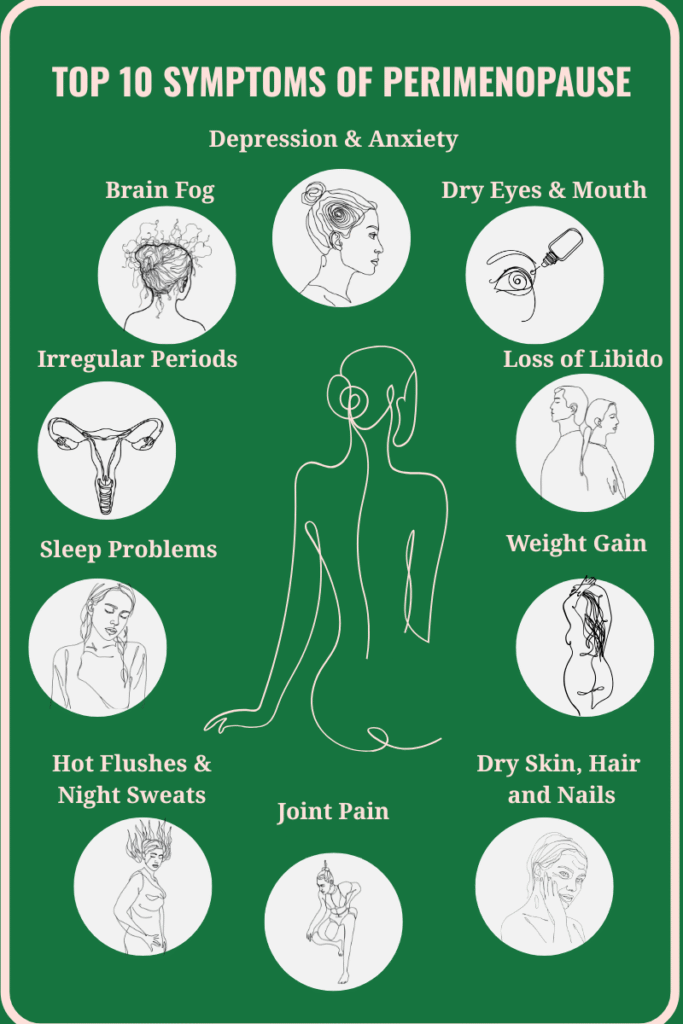
Perimenopause often sneaks in — not with alarms, but with subtle shifts that can feel confusing or overwhelming. If you’ve ever asked yourself, “Is this normal, or is something changing in my body?” — you’re not imagining it. From disrupted sleep to emotional swings, these symptoms often signal the start of hormonal changes that mark the transition to menopause.
Perimenopause is the hormonal transition before menopause, where your oestrogen levels begin to fluctuate. This shift causes your menstrual cycle to become irregular and marks the beginning of significant hormone-related changes in your body. While this transition is natural, the symptoms can feel anything but predictable.
When Does Perimenopause Usually Start?
Although it varies, most women notice early signs of perimenopause in their 40s. However, for some, symptoms may begin as early as their mid-30s. This stage can last anywhere from 4 to 10 years.
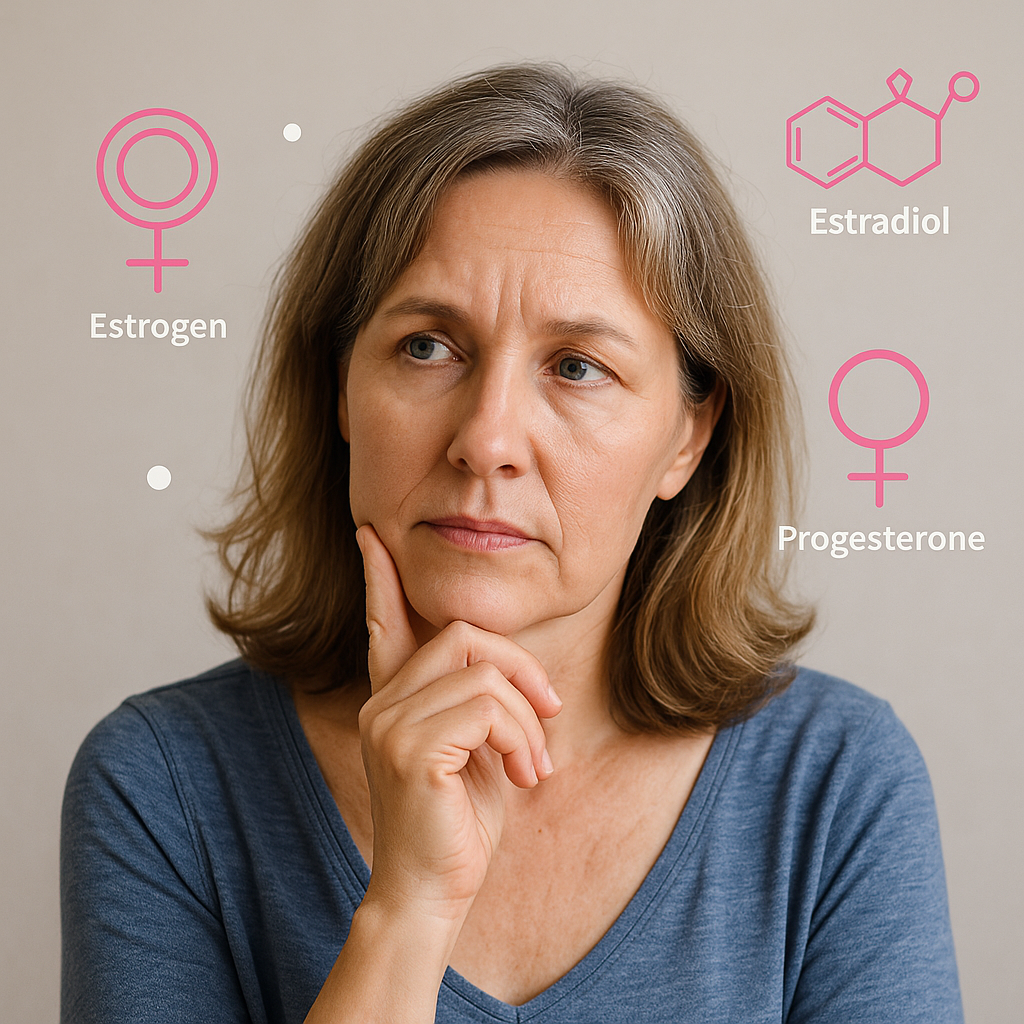
Oestrogen, the hormone that once ran like clockwork, now rides a rollercoaster. These highs and lows can affect everything from your brain and bones to your mood, skin, and libido.
Progesterone and FSH
Progesterone dips too, throwing off your sleep and causing irregular period.
FSH (follicle-stimulating hormone) ramps up in an attempt to kickstart less responsive ovaries, often crating physical chaos.
Exercise, reduce alcohol and caffeine, and practice stress management.
Mental & Emotional Health During Perimenopause
Mood Management: Use mindfulness, cognitive behaviour therapy, or support groups to ride the emotional waves.
Better Sleep: Create a calm nighttime routine—no screens, soft lighting, and a regular bedtime.
FAQs About Early Perimenopause
Can Perimenopause Start in Your 30s? Yes, it’s possible.
Is Weight Gain Normal? Yes—hormonal shifts make it easier to gain, especially around the belly.
How Long Does It Last? Typically 4 to 10 years.
Can I Still Get Pregnant? Yes—until you’ve had 12 months without a period, it’s still possible.
Is It Just PMS? If symptoms feel stronger, last longer, or show up randomly—it’s probably perimenopause.
Do I Need a Blood Test? Not always, but hormone tests can clarify your status, especially if symptoms are severe.
Final Thoughts: You’re Not Broken—You’re Evolving
Perimenopause is part of your body’s natural rhythm. But that doesn’t mean you have to suffer silently. The more you know, the better prepared you are to support your body with strength, smarts, and a bit of sass.
You’re not alone. And you’re not crazy. You’re just gutsy—and that’s exactly what this journey needs.
Used to monitor number of Google Analytics server requests when using Google Tag Manager
1 minute
_gid
ID used to identify users for 24 hours after last activity
24 hours
_gali
Used by Google Analytics to determine which links on a page are being clicked
30 seconds
_ga
ID used to identify users
2 years
__utmx
Used to determine whether a user is included in an A / B or Multivariate test.
18 months
__utmv
Contains custom information set by the web developer via the _setCustomVar method in Google Analytics. This cookie is updated every time new data is sent to the Google Analytics server.
2 years after last activity
__utmz
Contains information about the traffic source or campaign that directed user to the website. The cookie is set when the GA.js javascript is loaded and updated when data is sent to the Google Anaytics server
6 months after last activity
__utmc
Used only with old Urchin versions of Google Analytics and not with GA.js. Was used to distinguish between new sessions and visits at the end of a session.
End of session (browser)
__utmb
Used to distinguish new sessions and visits. This cookie is set when the GA.js javascript library is loaded and there is no existing __utmb cookie. The cookie is updated every time data is sent to the Google Analytics server.
30 minutes after last activity
__utmt
Used to monitor number of Google Analytics server requests
10 minutes
_gac_
Contains information related to marketing campaigns of the user. These are shared with Google AdWords / Google Ads when the Google Ads and Google Analytics accounts are linked together.
90 days
__utma
ID used to identify users and sessions
2 years after last activity
SourceBuster is used by WooCommerce for order attribution based on user source.
Name
Description
Duration
sbjs_migrations
Technical data to help with migrations between different versions of the tracking feature
session
sbjs_current_add
Timestamp, referring URL, and entry page for your visitor’s current visit to your store
session
sbjs_first_add
Timestamp, referring URL, and entry page for your visitor’s first visit to your store (only applicable if the visitor returns before the session expires)
session
sbjs_current
Traffic origin information for the visitor’s current visit to your store
session
sbjs_first
Traffic origin information for the visitor’s first visit to your store (only applicable if the visitor returns before the session expires)
session
sbjs_udata
Information about the visitor’s user agent, such as IP, the browser, and the device type
session
sbjs_session
The number of page views in this session and the current page path