
Have you noticed changes in your digestion lately? For example, maybe you’re bloated after meals, more constipated than usual, or reacting to foods that never used to bother you.
If so, it could be time to explore the menopause and digestion connection. Understanding this link can offer valuable insight and a sense of relief.
You’re not imagining it and you’re certainly not alone.
During perimenopause and menopause, your digestive system is deeply influenced by hormonal shifts, particularly changes in oestrogen and progesterone. These fluctuations impact everything from gut motility (how food moves through your digestive system), to stomach acid, and they can significantly change how your body processes food.
Let’s break down the science behind your symptoms—and how to support your gut through this gutsy change.
🔄 Hormones and Digestion: What’s the Link?
As you move through perimenopause and menopause, hormonal changes—especially in oestrogen and progesterone—can affect more than your mood and menstrual cycle. In fact, they deeply impact how your gut works.
These shifts can alter everything from how quickly food moves through your body (gut motility), to how much stomach acid you make, and even how your body absorbs nutrients.
So, what does this mean for your diestion? Let’s take a closer look.
1. Slower Gut Motility
To bgin with as hormones begin to fluctuate:
- Oestrogen usually helps your gut muscles contract. When it drops, digestion can slow down, as a result, food may move more slowly through your bidy, causing bloating, sluggishness and constipation.
- Progesterone relaxes the muscles in your gut and reduces movement in the stomach and intestines. Too much can also cause reflux and sluggish bowels.
Together, these hormonal changes can make it feel like your digestion has hit the brakes—or even come to a standstill. That’s because they disrupt the gut-brain connection, slowing things down and making your digestive system more sensitive, which can lead to issues like bloating, constipation, or even irritable bowel syndrome (IBS).
2. Lower Stomach Acid Production
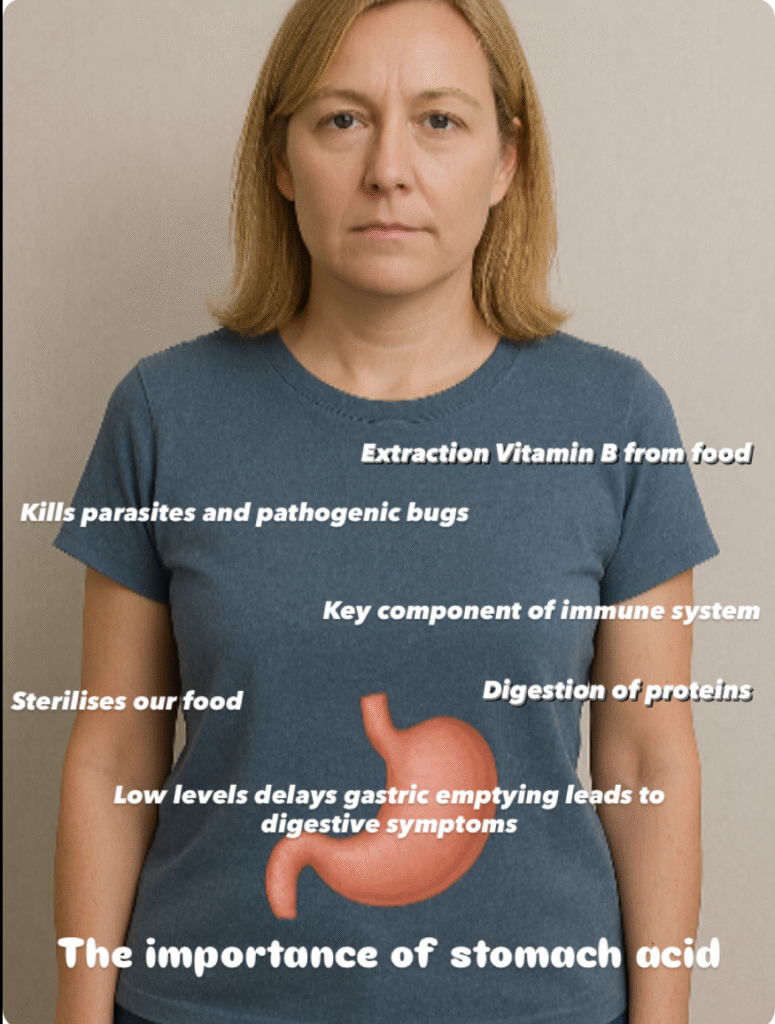
In addition to motility changes, Oestrogen which usually supports the production of stomach acid declines.
As oestrogen levels fall, stomach acid levels may drop, which can lead to indigestion, bloating, or even poor absorption of essential nutrients like B12, iron, and calcium.
Increased Food Sensitivities
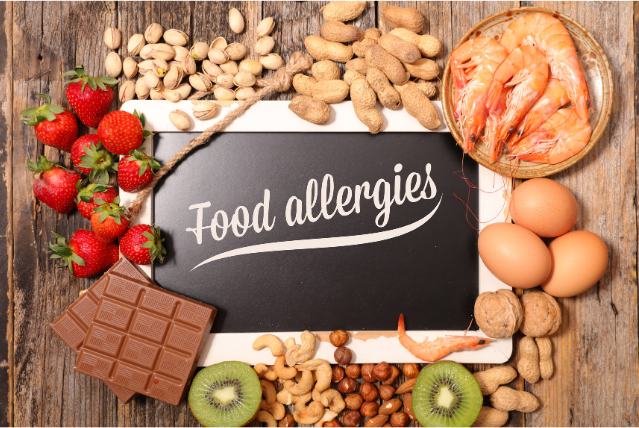
Another common experience during perimenopause is developing new food intolerances, new or worsening IBS symptoms, or even “leaky gut”
Because hormonal changes don’t just affect your gut—they affect your gut-brain axis. The result?
Increased gut reactivity to stree, emotion and specific foods.
As a result, foods that once felt fine now cause you discomfort and even helathy foods cna feel triggering if your gut is inflammed or overwhelmed.
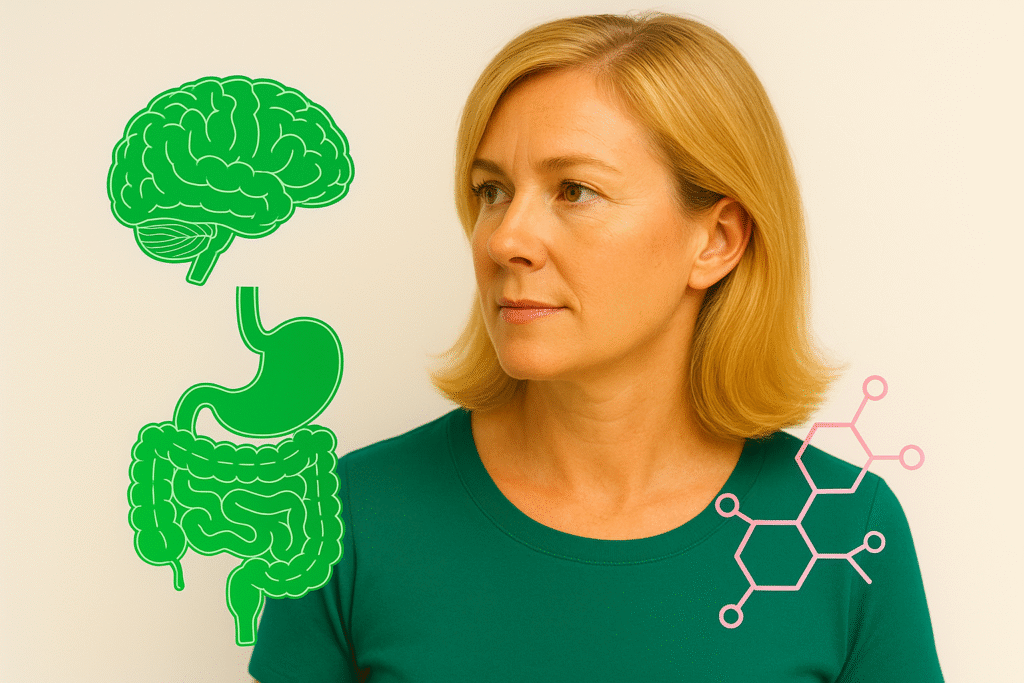
🧠 The Gut-Brain-Hormone Triangle
It’s not just your hormones or your gut acting alone—your brain is part of the story too.
Your gut and brain are constantly talking through the vagus nerve—and hormones help run that conversation.
When oestrogen drops, it also impacts mood-regulating brain chemicals like serotonin, about 95%of which is made in your gut.
This can change
- your mood
- your sigestion speed
- how your body senses pain or stress in your digestive system.
That’s why bloating, cramps, or constipation might flare up more when you’re feeling anxious, overwhelmed or not sleeping well—unfortunately a common experience in midlife.
🔬 What the Research Says
Here’s what emerging science reveals about menopause and gut health:
- Menopause can mess with your digestion – shifting hormones may slow gut motility, throw off balance, and stir up old or new gut issues.
- Oestrogen drop = gut imbalance – lower hormone levels during menopause can disrupt your microbiome, raising risks for bone loss, belly fat, and more.
- Stress hits different in perimenopause – gut motility reacts unexpectedly due to hormonal dips, making digestion even more unpredictable.
- Your gut microbiome changes with menopause – it loses diversity and starts acting more “male,” possibly raising your risk for age-related diseases.
- The gut is fixable—even in menopause – early support, like hormone therapy and gut-smart nutrition, can ease symptoms and protect long-term health.
In short, these changes are real and it’s not “just in your head”. It’s not “just stress” or “getting older. It’s a physiological reality backed by emerging science.
🥦 How to Support Your Gut During Perimenopause
Now for the good news: You’re not powerless, your body can adapt. Here are 5 evidence-based, gutsy strategies to support your digestion during this hormonal shift:
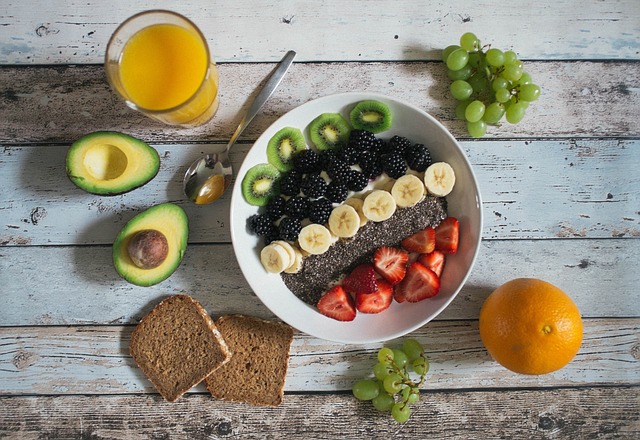
✅ 1. Prioritise Fiber, But Gently
Focus on soluble fiber (like oats, chia seeds, cooked veggies) to support motility without overwhelming a sensitive gut.
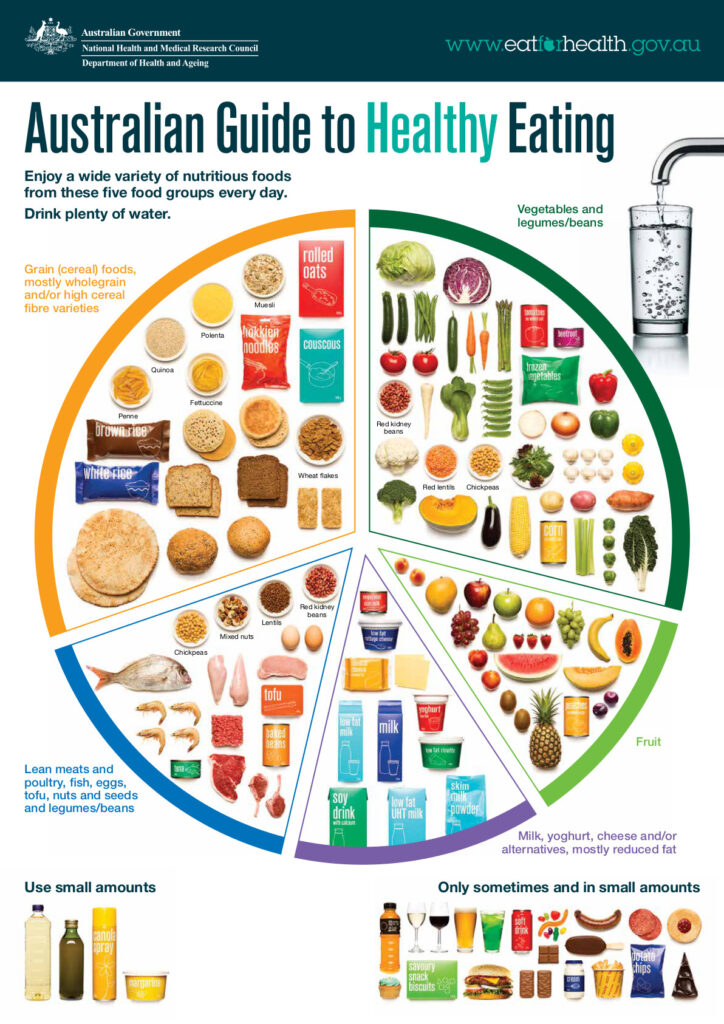
✅ 2. Balance Your Plate
A combination of protein, healthy fats, and complex carbs helps regulate blood sugar and reduces post-meal bloating.

✅ 3. Use Mindful Eating Practices
Chew thoroughly, slow down, and eat in a calm environment to support the gut-brain axis.
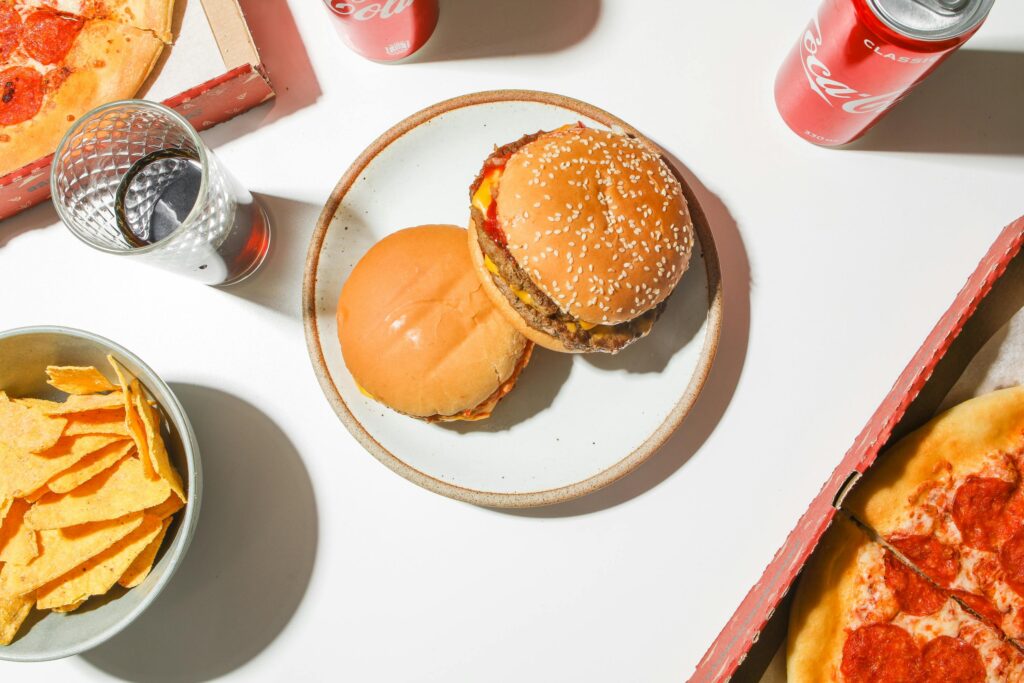
✅ 4. Limit Gut Disruptors
Minimise ultra-processed foods, alcohol, and high FODMAP foods if they trigger symptoms.
✅ 5. Consider Digestive Support
Discuss with your nutritionist whether digestive enzymes or probiotics might help.
Final Thoughts from Gutsy Solution 💬

Perimenopause and menopause are powerful physiological transitions—not punishments. If your digestion feels “off,” it’s not a flaw. It’s your body adapting to change.
At Gutsy Solution, we’re here to cut through the confusion with science—not shame. By listening to your body and learning what it needs now, you can support your gut with confidence and compassion.
📚 References
- Ley D, Saha S. Menopause and gastrointestinal health and disease. Nat Rev Gastroenterol Hepatol. 2025 May 23. doi: 10.1038/s41575-025-01075-7. Epub ahead of print. PMID: 40410564.
- Marlatt KL, Pitynski-Miller DR, Gavin KM, Moreau KL, Melanson EL, Santoro N, Kohrt WM. Body composition and cardiometabolic health across the menopause transition. Obesity (Silver Spring). 2022 Jan;30(1):14-27. doi: 10.1002/oby.23289. PMID: 34932890; PMCID: PMC8972960.
- Nachtigall LE, Nachtigall L. Menopause and the gastrointestinal system: our gut feelings. Menopause. 2019 May;26(5):459-460. doi: 10.1097/GME.0000000000001316. PMID: 30839365.
- Peters BA, Santoro N, Kaplan RC, Qi Q. Spotlight on the Gut Microbiome in Menopause: Current Insights. Int J Womens Health. 2022 Aug 10;14:1059-1072. doi: 10.2147/IJWH.S340491. PMID: 35983178; PMCID: PMC9379122.
- Santoro N, Roeca C, Peters BA, Neal-Perry G. The Menopause Transition: Signs, Symptoms, and Management Options. J Clin Endocrinol Metab. 2021 Jan 1;106(1):1-15. doi: 10.1210/clinem/dgaa764. PMID: 33095879.